Navigating the transition to parenthood after a double mastectomy brings a unique set of emotional and physical considerations.
Choosing safe alternatives like donor milk or formula allows you to focus on your recovery while providing everything your child needs.
Connect with our surrogacy specialists to ensure you have the resources needed for a smooth transition to parenthood.
What Are My Baby Feeding Options After a Double Mastectomy?
For parents who have undergone significant surgery, the most important thing to know is that your baby has several safe ways to receive the nutrition they need to thrive.
Depending on your situation, you might choose:
- Infant formula
- Donor breast milk
- Milk provided by your surrogate
Many families find that the best approach involves a combination of these methods, allowing for flexibility as you adjust to parenthood.
Using a Supplemental Nursing System (SNS) After Mastectomy
If you deeply desire the physical experience of nursing, a supplemental nursing system (SNS) is a valuable tool.
This device consists of a reservoir filled with formula or donor milk, with thin, flexible tubes that are taped near your nipples.
When the baby latches onto your breast, they receive the milk through the tubes. While this does not produce natural milk after a double mastectomy, it allows for:
- The physical sensation of nursing for both parent and baby.
- Sustained skin-to-skin contact during every feeding session.
- An identical feeding rhythm to traditional breastfeeding.
Many parents find that using an SNS helps bridge the emotional gap caused by surgery, allowing them to feel the unique closeness of nursing while ensuring the baby is fully nourished.
Choosing the Best Formula If You Can’t Breastfeed
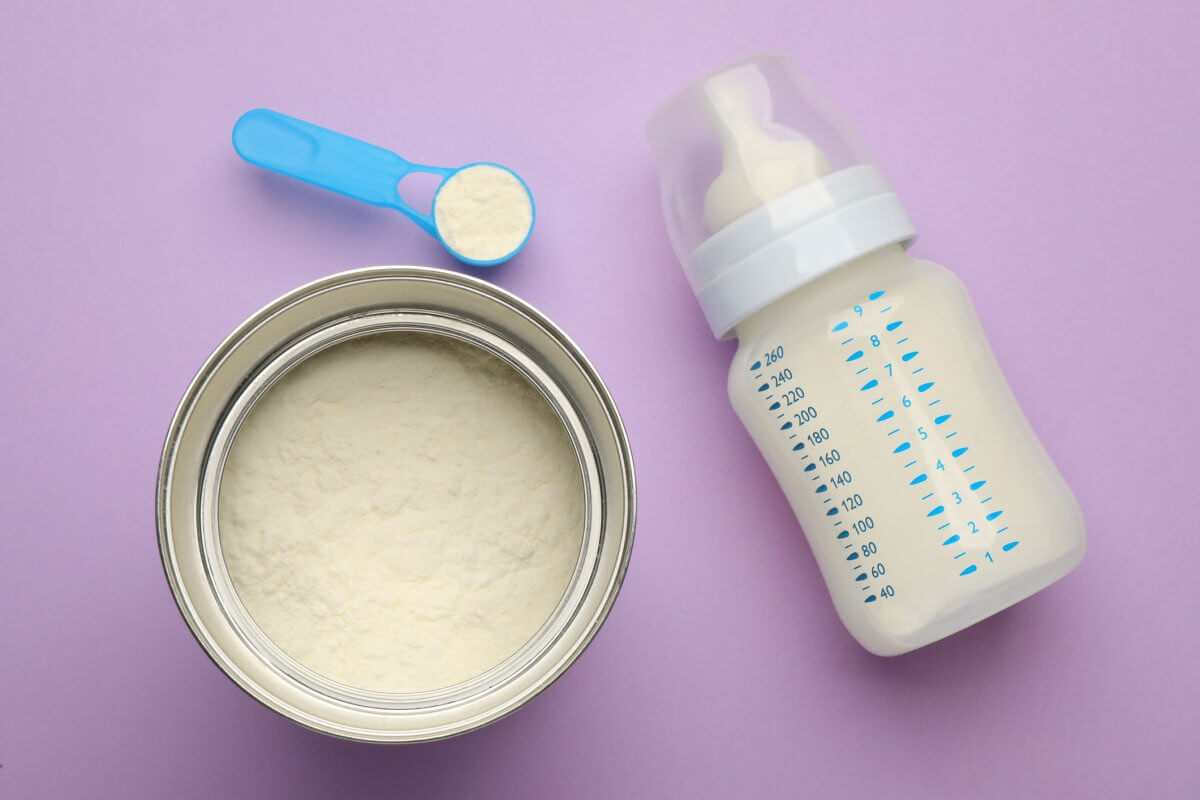
When selecting a formula after a mastectomy, you can choose from standard cow’s-milk bases, hypoallergenic options for sensitivities, or organic brands.
- Standard formulas: Typically cow’s-milk-based and suitable for the majority of healthy infants.
- Hypoallergenic formulas: Designed for babies with sensitivities or confirmed allergies to cow’s milk protein.
- Organic formulas: Made with ingredients that meet strict organic farming standards.
Consumer Reports has previously tested various formulas for heavy metal contaminants like arsenic and lead. Following these results, the FDA has worked to strengthen oversight to better protect infants from environmental toxins.
Can My Surrogate Provide Breast Milk?
In some surrogacy arrangements, the surrogate may provide breast milk after birth.
Because a double mastectomy makes breastfeeding impossible, discussing this during the initial matching phase ensures everyone is aligned.
This arrangement should be clearly defined in your surrogacy contract to cover the surrogate’s time, supplies, and shipping logistics.
At American Surrogacy, our specialists act as a bridge during these conversations, helping you navigate the request with transparency and respect so that the focus remains on a healthy, collaborative partnership.
How to Access Donor Milk Safely
Donor milk is an excellent alternative if you want your baby to receive breast milk but cannot provide it yourself.
The FDA recommends using only milk from accredited banks, such as those associated with the Human Milk Banking Association of North America (HMBANA).
While donor milk is a safe option, it typically costs $3 to $5 per ounce to cover processing.
While donor milk provides essential nutrients, it typically costs between $3 and $5 per ounce to cover screening and processing fees. It is crucial to avoid unvetted online milk-sharing communities, as unscreened milk can carry risks of infectious diseases or exposure to medications.
Bonding With Your Baby Without Breastfeeding
Many parents worry they might miss out on the biological connection formed during nursing.
However, bonding is not dependent on the source of the milk, but on the presence, touch, and responsiveness you offer. You can grow that connection deeply through intentional feeding rituals:
You can grow that connection deeply through intentional feeding rituals:
- Skin-to-skin contact: Holding your baby against your bare chest during bottle feeding regulates their heart rate and promotes security.
- Gazing: Maintaining eye contact during feeds helps your baby learn your expressions and feel recognized.
- Scent cloths: Keeping a soft cloth against your skin and then placing it near the baby helps them associate your scent with comfort.
Overcoming Guilt When You Can’t Breastfeed
It is natural to feel a sense of loss when a medical necessity changes how you imagined your first days of parenthood.
However, nourishment is a holistic act. By choosing a safe feeding alternative, you are protecting your recovery and ensuring you have the energy and health required to be fully present for your child.
If these feelings become overwhelming, seeking professional counseling can help you process your emotions and reframe your perspective on nourishment.
At American Surrogacy, we provide the expert surrogate screening, matching, and emotional support needed to navigate these sensitive post-birth details.
Start your journey with us today and take the final steps toward parenthood with peace of mind.