 Current Match Time:

Transferring a euploid embryo significantly increases IVF success, but it doesn't guarantee a live birth.
You've invested time, emotional energy and financial resources into creating chromosomally normal embryos. Understanding transfer statistics helps you set grounded expectations for your family-building timeline.
When uterine factors stand in the way, gestational surrogacy offers a reliable pathway forward.
What Is the Success Rate of Transferring a Euploid Embryo?
Most fertility clinics report an average euploid embryo success rate of 60% to 70% live births per single transfer.
Preimplantation genetic testing for aneuploidies (PGT-A) confirms a normal chromosome count before transfer. But outcomes still depend on:
- Maternal age
- Uterine receptivity
- Overall health
Comparing these figures against general surrogacy embryo transfer success rates can help you evaluate your options.
Implantation Rate
A Fertility and Sterility study shows single euploid transfers reach an average implantation rate near 70% depending on age.
Implantation occurs when the embryo attaches to the uterine lining and hCG levels rise.
This represents the earliest measurable stage of success. However, initial implantation doesn't assure an ongoing pregnancy.
Clinical Pregnancy Rate
Clinical pregnancy rates for euploid transfers average 82% according to NYC IVF data.
A clinical pregnancy means an ultrasound detected a gestational sac and fetal cardiac activity.
Live Birth Rate
Data in PubMed Central research shows that patients aged 35–37 using their own eggs, frozen euploid embryo transfers resulted in a 55.8% live birth rate.
Live birth rate measures the actual delivery of a living baby. This is the most meaningful metric for your family planning.
It demonstrates that a chromosomally normal embryo doesn't result in a baby every time.
Why Doesn't Every Euploid Embryo Result in Pregnancy?

PGT-A screening confirms chromosome numbers, but it can't evaluate every biological factor required for pregnancy.
Several critical factors outside chromosome counts impact your overall euploid embryo success rate:
- Endometrial Receptivity: The uterine lining must align precisely with transfer timing.
- Embryo Metabolic Health: Genetic testing doesn't measure cellular energy production or growth.
- Embryo Mosaicism Limitations: Outer biopsy cells may not always reflect the entire embryo.
- Transfer Technique: Precise catheter placement and medical protocol execution impact results.
- Hormonal Environment: Progesterone and estrogen levels must hit specific target windows.
- Uterine Abnormalities: Fibroids, polyps, scar tissue or adenomyosis can hinder attachment.
- Immune and Clotting Disorders: Autoimmune or blood clotting conditions may prevent development.
- Random Biological Variation: Natural cellular processes don't always result in pregnancy.
Understanding PGT-A and learning about different types of embryos helps explain why healthy embryos face natural biological hurdles.
How Many Euploid Embryos Does It Usually Take to Have a Baby?
Most fertility specialists recommend having two to three euploid embryos for each child you hope to have.
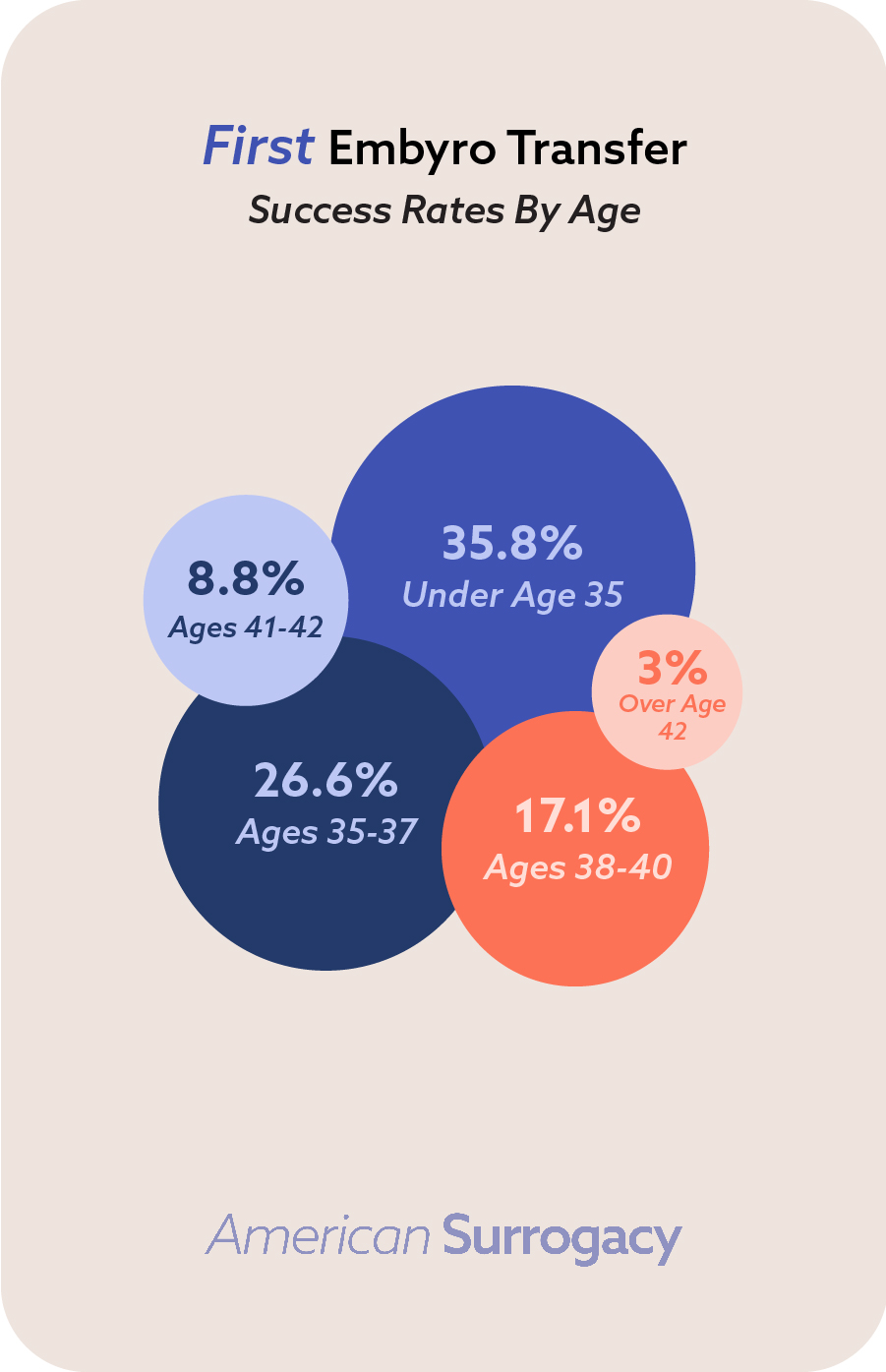
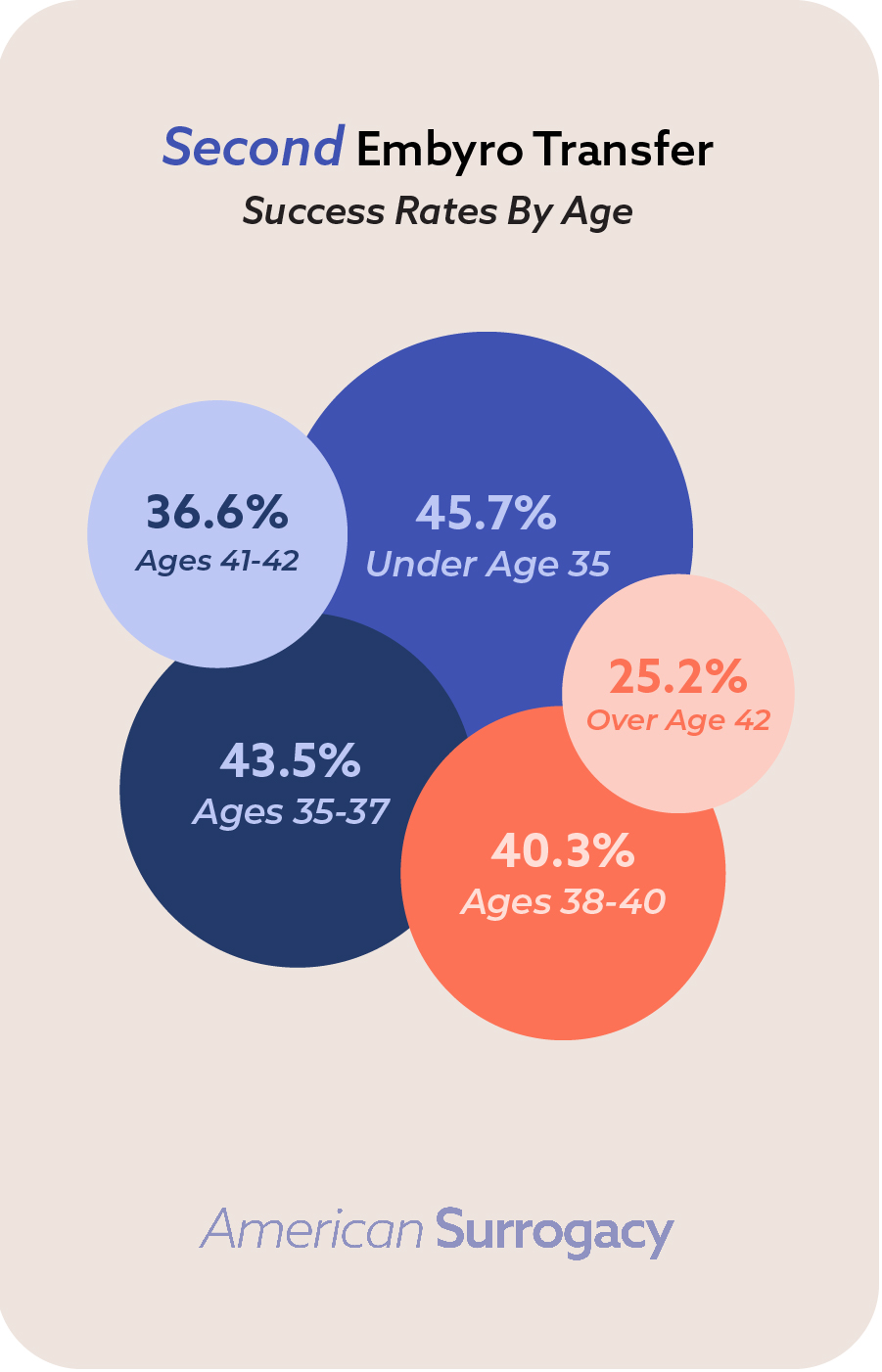
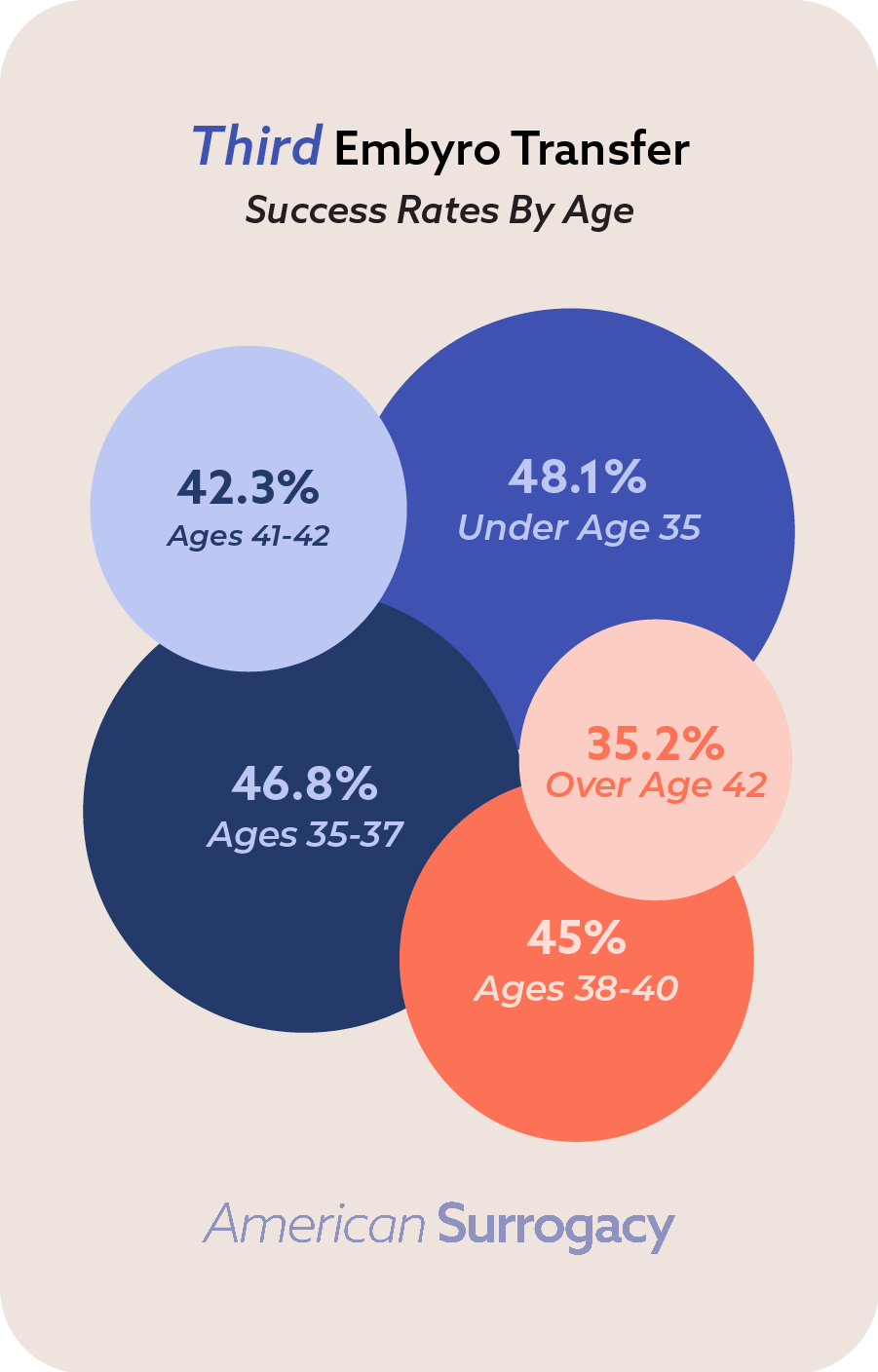
Data on family-building guidelines shows cumulative live birth rates reach nearly 95% across three euploid transfers.
Not every transfer leads to a live birth, making embryo banking a wise strategy. Planning for multiple transfers protects your timeline and emotional well-being.
What If You Only Have One Euploid Embryo?
Having a single remaining euploid embryo can bring heavy emotional pressure and anxiety. It's completely natural to feel protective over your last chance for a biological connection.
You don't have to risk your final embryo on an uncertain personal transfer.
Transferring your embryo to a pre-screened gestational carrier reduces uterine-related risks. Exploring surrogacy with one euploid embryo protects your remaining embryo and gives you the chance to grow your family.
When Multiple Euploid Embryo Transfers Fail
Experiencing recurrent implantation failure with tested embryos indicates that factors beyond embryo quality are involved.
A recurrent implantation failure study suggests shifting focus to uterine factors after two failed transfers.
When uterine factors repeatedly suppress your euploid embryo success rate, your doctor may suggest diagnostic testing or protocol changes.
If transfers continue failing, choosing a surrogate protects your remaining embryos from loss.
When Is Surrogacy the Next Step?
Gestational surrogacy becomes the next logical step when medical hurdles prevent successful personal gestation. Many intended parents consider surrogacy after facing years of fertility treatments and losses.
Surrogacy is appropriate for uterine-factor infertility, severe health risks or repeated transfer failures.
Choosing surrogacy isn't giving up on your embryos. It's another way to put your embryos in the best position to grow.
Exploring your options after IVF fails helps transform disappointment into a clear action plan.
Why Choosing the Right Surrogacy Agency Matters
Working with an experienced surrogacy agency protects your embryos and simplifies your path to parenthood.
When you decide surrogacy is right, learning how intended parents choose the best agency brings clarity.
We offer key safeguards to protect your family-building goals:
- 1–6 Month Average Match Time: Broad national recruitment connects you quickly with pre-screened surrogates.
- Comprehensive Pre-Screening: Medical, psychological and background checks happen before matching to prevent disruptions.
- Limited Risk Program: Protects your financial investment with unlimited rematching if unexpected disruptions happen.
Talk to American Surrogacy About Your Next Step
We're here to help you protect your embryos and move toward bringing home your baby. Many families start their surrogacy journey after facing IVF setbacks.
We'll guide you through every stage with financial protection and expert support.
Call 1-800-367-2362 or fill out our online form to schedule your consultation today.