 Current Match Time:

PGT-SR (preimplantation genetic testing for structural rearrangements) screens IVF embryos for specific inherited chromosomal translocations and inversions before transfer. Intended parents usually discover a chromosome rearrangement after experiencing unexplained IVF setbacks or repeated pregnancy loss.
While learning this diagnosis can feel overwhelming, identifying balanced embryos upfront helps your reproductive endocrinologist choose the strongest candidates for transfer.
If you create healthy embryos but carrying a pregnancy isn't a safe option for you, working with a gestational surrogate provides a reassuring path forward. At American Surrogacy, we can help you evaluate your options; contact our surrogacy experts today.
What Does PGT-SR Test For?
PGT-SR analyzes embryo DNA for missing or duplicated chromosome pieces caused by inherited parental translocations or inversions.
Unlike standard genetic screening that counts total chromosomes, PGT-SR checks structural arrangements to find embryos with the highest potential for a healthy pregnancy.
Reciprocal Translocations
In a reciprocal translocation, segments from two different chromosomes swap positions without losing genetic material in the parent.
During egg or sperm production, genetic material can split unevenly, leaving embryos with missing or extra chromosome segments.
Robertsonian Translocations
Robertsonian translocations occur when two chromosomes fuse at their central point, most commonly involving chromosomes 13, 14, 15, 21 or 22.
Unbalanced chromosome structures in eggs or sperm lead to lower implantation rates and higher miscarriage risks. Screening isolates balanced embryos before transfer.
Chromosomal Inversions
An inversion forms when a chromosome segment detaches, rotates 180 degrees and reinserts into the same chromosome.
Paracentric inversions stay on one side of the chromosome center, while pericentric inversions span across it. Testing flags embryos with significant segment duplications or deletions so your clinical team can select viable candidates.
Who Should Consider PGT-SR?
Reproductive endocrinologists recommend PGT-SR whenever parental karyotype testing confirms that either intended parent carries a structural chromosome rearrangement.
If your initial genetic screening shows standard chromosome structures, standard testing is usually sufficient. Genetic counseling before IVF evaluates your family history to help you determine whether targeted embryo testing fits your cycle.
Understanding PGT-SR Results
PGT-SR classifies embryos into four genetic categories for precise transfer selection. Biopsy samples taken from an embryo's outer layer show whether the genetic structure is balanced, unbalanced or aneuploid.
Balanced Embryos
Balanced embryos retain complete genetic material and carry standard implantation potential. Reproductive endocrinologists prioritize balanced embryos for transfer because their development mirrors unaffected embryos.
Unbalanced Embryos
Unbalanced results indicate missing or extra chromosome segments resulting from the parental rearrangement. These structural errors lead to low implantation rates and higher risks of early pregnancy loss.
Transferring an unbalanced embryo carries a high risk of miscarriage, so clinics prioritize viable balanced candidates instead.
Aneuploid Embryos
Aneuploidy refers to an incorrect overall count of full chromosomes, independent of structural rearrangements. For example, an embryo can be structurally balanced yet carry an extra chromosome 18.
Combining PGT-A with PGT-SR provides a complete evaluation of embryo health. Read our guide to PGT-A screening to learn more.
Inconclusive Results
Inconclusive results mean the biopsy sample didn't yield enough clear DNA data for analysis. Your doctor will discuss whether to prioritize fully analyzed embryos or evaluate a re-biopsy.
How Accurate Is PGT-SR?
PGT-SR achieves over 98% accuracy in identifying targeted structural rearrangements when performed by accredited reference laboratories. Modern testing offers dependable guidance for embryo selection, giving you clear insights into your embryo health.
Accuracy limitations stem from testing trophectoderm cells (which form the placenta) rather than inner cell mass cells (which form the fetus).
Embryo mosaicism, where cells within the same embryo have different genetic profiles, can also occur. Specialists still recommend standard prenatal screening during pregnancy to verify embryo results.
PGT-SR and IVF Success Rates
Transferring a verified balanced embryo improves transfer success rates by giving your cycle the same likelihood of success as an unaffected cycle in your age group.
Overall success rates depend primarily on maternal age, egg quality and the total number of balanced embryos created.
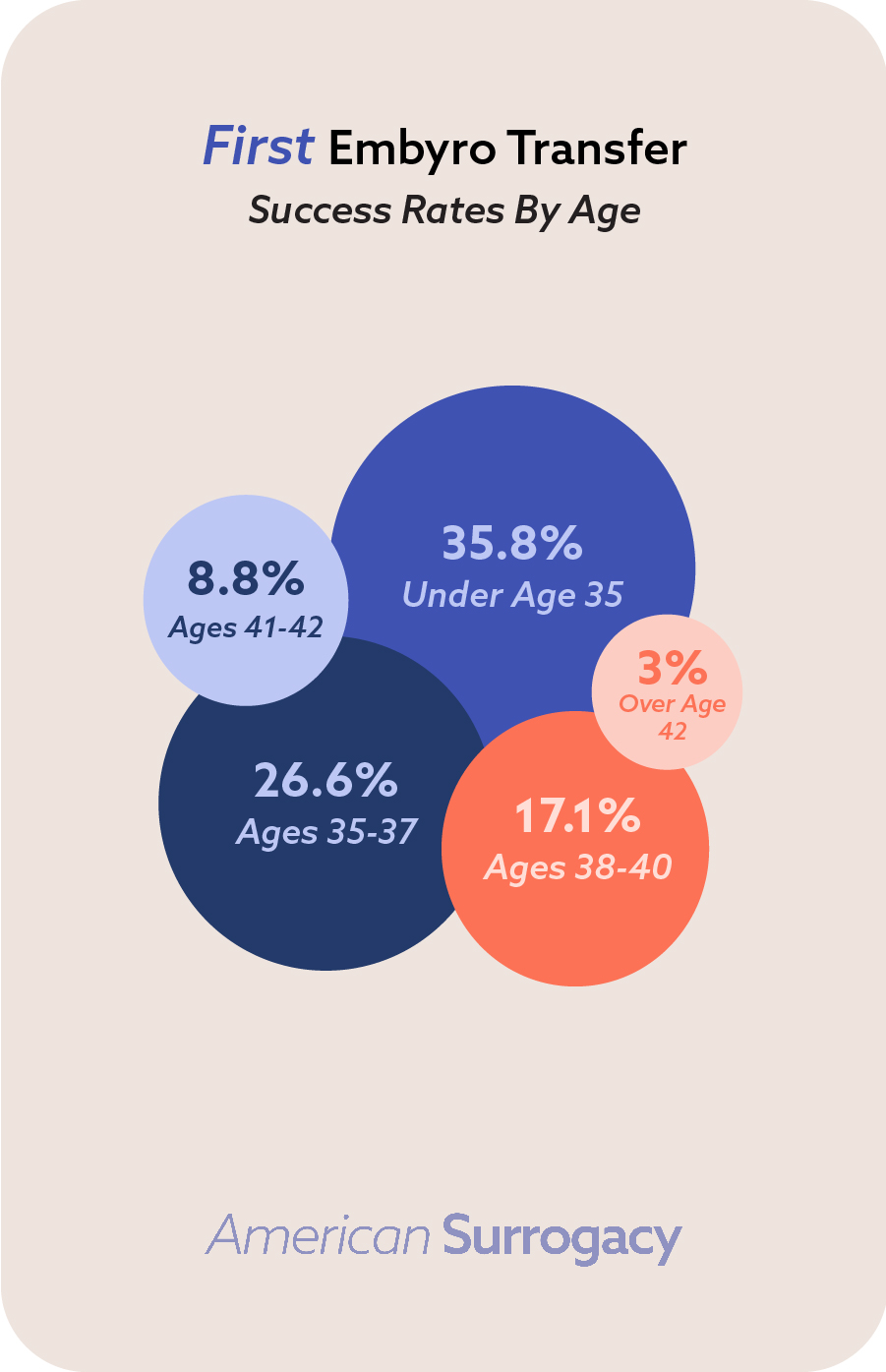
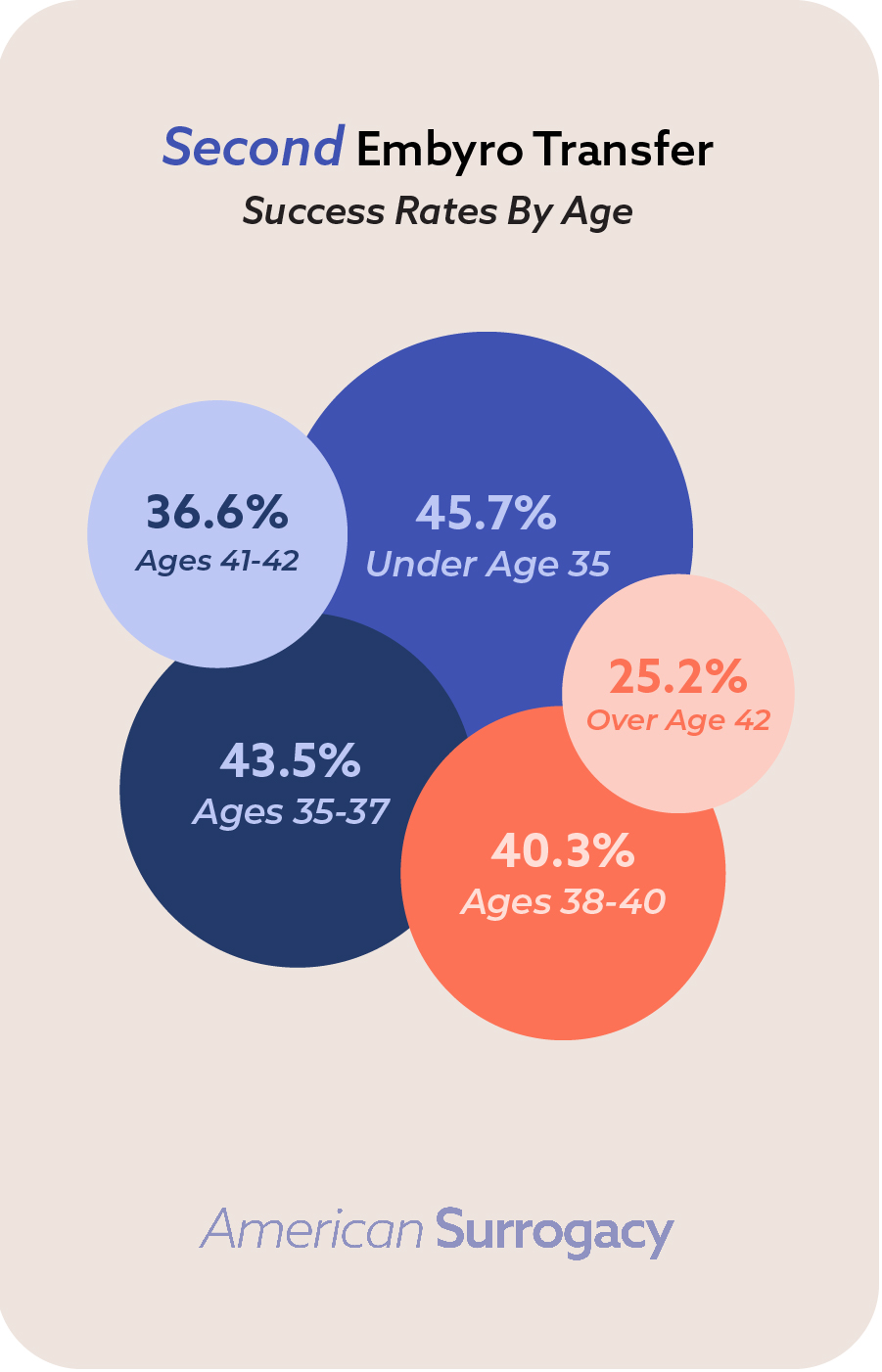
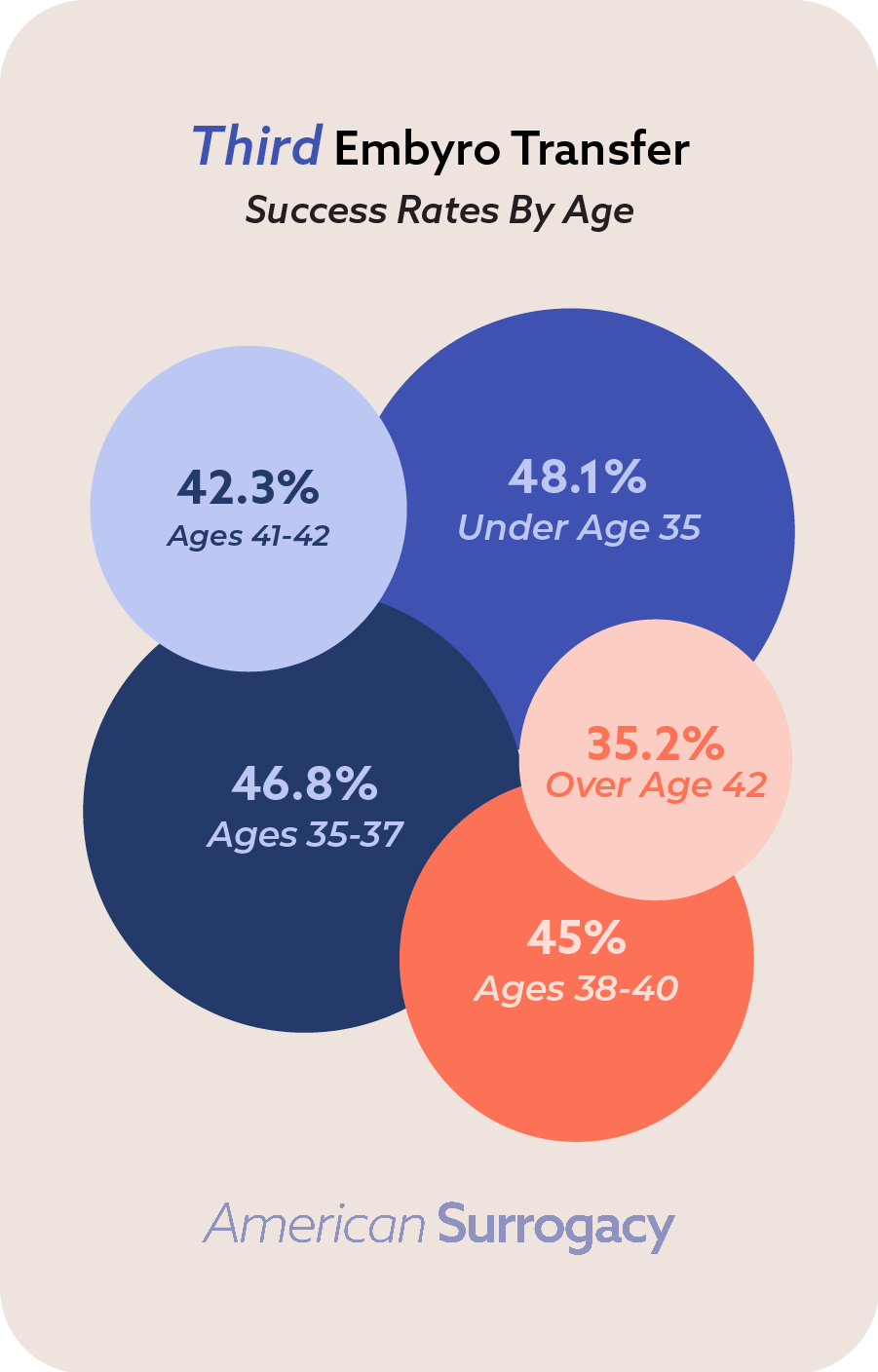
Because rearrangement carriers produce a higher percentage of unbalanced gametes, fewer embryos may reach transfer day.
If donor gametes are needed, reviewing options for IVF with donor eggs can clarify your options. Working with verified balanced embryos brings clarity to your process and helps your clinical team plan transfers effectively.
How Much Does PGT-SR Cost?
PGT-SR typically adds $4,000 to $10,000 to your total IVF cycle costs. Final pricing depends on laboratory fees, custom probe creation for your specific rearrangement and the number of embryos tested.
Check our breakdown of embryo genetic testing costs for clear financial planning details.
PGT-SR vs. PGT-A vs. PGT-M
Selecting the right embryo test depends on whether your primary concern is chromosome structure, total chromosome count or specific single-gene mutations. You can review single-gene disorder testing in our overview of PGT-M.
- PGT-SR screens for missing or extra structural chromosome segments in parents with known translocations or inversions. Reference laboratories pair PGT-SR frequently with PGT-A screening.
- PGT-A identifies random chromosome quantity errors such as trisomy or monosomy for parents over 35 or those with prior pregnancy loss. Fertility teams add PGT-A routinely alongside PGT-SR.
- PGT-M detects specific inherited single-gene mutations for carriers of conditions like cystic fibrosis or Tay-Sachs. Clinics combine PGT-M easily with both PGT-A and PGT-SR.
What Happens If IVF Still Isn't Successful?
Creating embryos for surrogacy marks major progress, but carrying a pregnancy requires physical readiness that isn't always possible. If medical factors prevent you from carrying safely, gestational surrogacy offers a reliable path forward for your family.

Choosing surrogacy gives your PGT-SR tested embryos their best chance at a successful pregnancy. Working with a dedicated agency keeps your legal protections and financial investment organized every step of the way.
How American Surrogacy Helps Families Continue Their Journey
We help intended parents move smoothly from IVF to surrogacy once healthy embryos are ready for transfer. Our full-service team manages administrative, legal and screening details so you can focus on building your family.
- Connect directly with qualified surrogates through our national recruitment strategy, supporting an average 1–6 month match timeline.
- Reduce preventable delays through comprehensive medical evaluations, background checks and psychological reviews for every surrogate before matching.
- Protect your financial investment through our Limited Risk Program. We provide unlimited rematching without repeating agency fees if an unexpected disruption occurs.
Ready to Explore Your Next Step?
If you have PGT-SR tested embryos or are planning an upcoming cycle, we can help you prepare for what comes next. Speak with a surrogacy specialist to learn how we support your path to parenthood.