 Current Match Time:

Preimplantation genetic testing for aneuploidy (PGT-A) screens IVF embryos for complete sets of 46 chromosomes before transfer to improve your odds of a successful pregnancy.
Embryo testing impacts your budget and timeline while identifying embryos with higher implantation potential.
If you choose to explore gestational surrogacy, our team at American Surrogacy is here to help you evaluate genetic screening choices with honest, compassionate support.
How Does the PGT-A Process Work?
PGT-A works by removing a small sample of cells from a blastocyst-stage embryo to analyze its chromosome count before transfer.
Embryologists perform a trophectoderm biopsy on day 5 or 6, vitrify the embryo and send the biopsied cells to a specialized genetics laboratory. While testing adds 1 to 3 weeks to your IVF timeline, it ensures your care team selects embryos with the best implantation potential.
Here is how the process unfolds:
- Embryos develop in the IVF lab following standard insemination or ICSI.
- Embryologists remove 3 to 10 cells from the outer trophectoderm layer that forms placental tissue.
- Reference laboratories use next-generation sequencing to evaluate all 23 chromosome pairs.
- Diagnostic reports categorizing each tested embryo go directly to your care team.
- Your doctor prioritizes embryos carrying expected chromosome numbers for scheduled transfers.
What Does PGT-A Test For?
PGT-A screens embryos for numerical chromosomal errors, known as aneuploidy. Specifically, it identifies missing chromosomes (monosomies) and extra chromosomes (trisomies).
Detecting these chromosomal variations helps lower risk of early pregnancy loss, by informing which embryos should be selected for transfer. PGT-A can detect conditions like:
Down syndrome Trisomy 18 Trisomy 13 Turner syndrome
What PGT-A Does Not Detect
PGT-A does not screen for single-gene disorders, structural birth defects or developmental conditions. Families managing inherited conditions like cystic fibrosis should opt for specialized PGT-M screening instead.
You can review our embryo genetic testing guide to evaluate options tailored to your family's health history.
Understanding PGT-A Results
Reference laboratories place biopsied embryos into three diagnostic categories based on the proportion of normal and abnormal cells in the sampled tissue.
Your doctor uses these diagnostic categories to prioritize which embryos give you the strongest chance of a healthy pregnancy.
Euploid Embryos (Chromosomally Normal)
Euploid embryos contain the expected 46 chromosomes in 23 complete pairs. These embryos offer the highest implantation rates per transfer attempt and significantly lower miscarriage risks.
Clinics prioritize euploid embryos for all scheduled frozen transfers to give your family the clearest path forward.
Aneuploid Embryos (Numerical Abnormalities)
Aneuploid embryos carry missing or extra full chromosomes.
Transfers using these embryos face high rates of implantation failure and miscarriage, making them unsuitable for transfer attempts.
Mosaic Embryos (Mixed Chromosome Results)
Mosaic embryos contain a mix of normal and abnormal cells in the sampled biopsy. Clinics describe mosaicism as low-level or high-level based on the percentage of abnormal cells present.
Doctors may support transferring low-level mosaic embryos when no euploid options remain, as some embryos self-correct during early development.
How Accurate Is PGT-A?
PGT-A delivers diagnostic accuracy between 95% and 98% for chromosome counts in biopsied cells. Sampling outer placental tissue rather than inner fetal tissue can occasionally lead to diagnostic discordance.
Professional bodies like the American Society for Reproductive Medicine (ASRM) recommend standard prenatal screening during pregnancy to give you added reassurance about your baby's health.
Does PGT-A Increase IVF Success Rates?
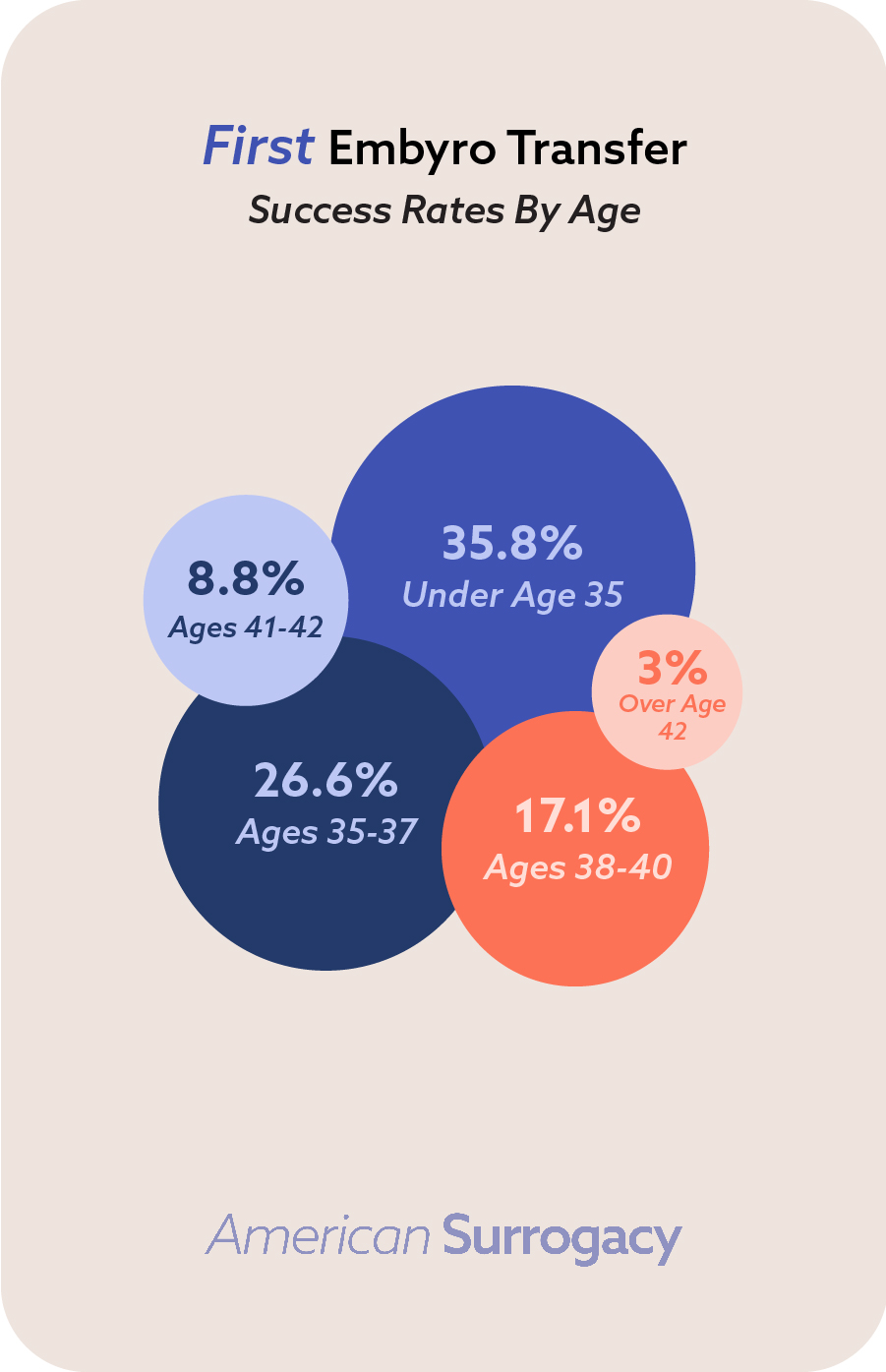
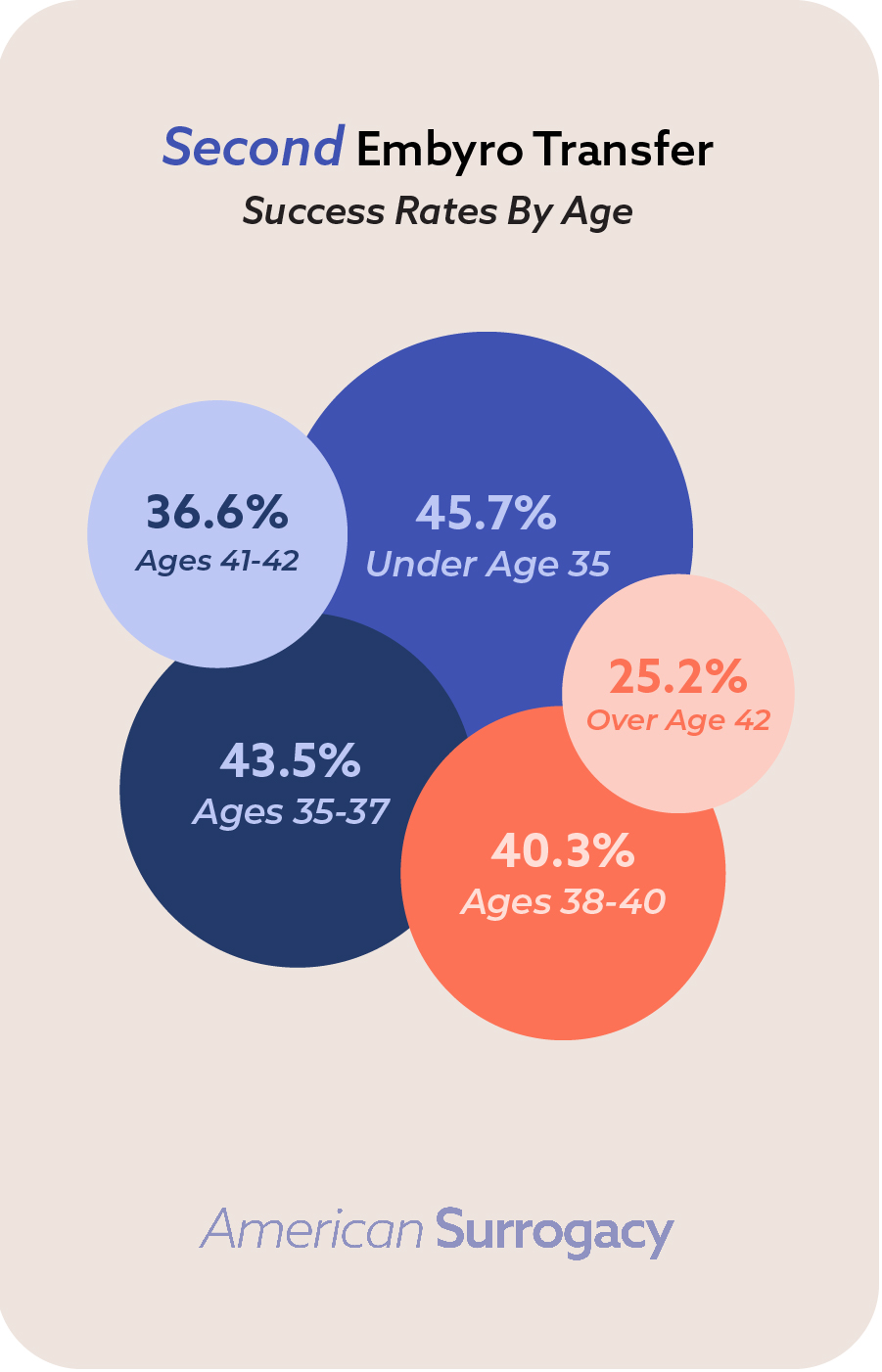
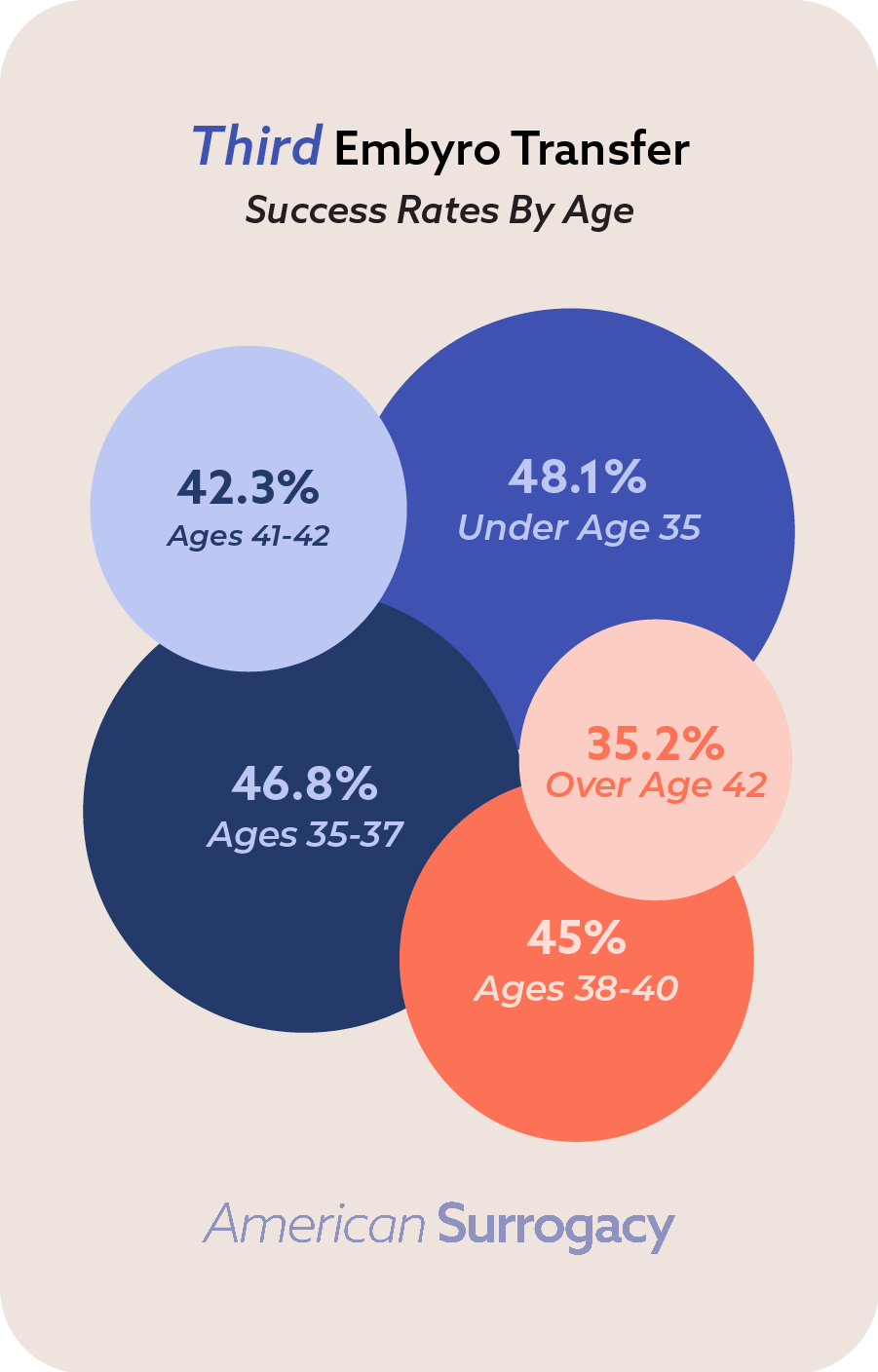
PGT-A improves live birth rates per transfer attempt by identifying balanced embryos before scheduling a cycle. Guidelines from ASRM confirm that euploid embryo selection reduces the number of transfer cycles required before achieving pregnancy.
Younger intended parents with high baseline euploidy rates see more modest cumulative benefits from routine testing than patients over age 35.
Is PGT-A Worth It?
PGT-A provides clear value for intended parents over age 35, families experiencing recurrent pregnancy loss and couples pursuing gestational surrogacy.
Testing protects financial resources and schedule choices by avoiding transfers with low implantation chances. If you choose to work with a surrogacy agency, our specialists can help you thoughtfully evaluate how genetic testing fits into your overall surrogacy timeline.
How Much Does PGT-A Cost?
PGT-A typically adds $2,000 to $6,000 to standard IVF cycle expenses, depending on clinic pricing and total embryo count. This cost combines your clinic's biopsy fee with the reference lab's genetic sequencing fee per batch. Most health insurance plans classify PGT-A as an elective procedure, though coverage varies by policy.
If you choose to move forward with gestational surrogacy through an agency, programs like our Limited Risk Program safeguard your financial investment through unlimited rematching without repeated agency fees.
You can review our detailed breakdown of embryo genetic testing costs to plan your budget with confidence.
How Long Does PGT-A Take?
Receiving PGT-A diagnostic results takes 1 to 3 weeks after the embryo biopsy. Embryologists vitrify embryos during this analysis window. Clinics use this interim period to carefully prepare the uterine lining for a scheduled frozen transfer.
What Happens If IVF Still Isn't Successful After PGT-A?
Transfer failures can still occur with euploid embryos due to uterine factors, hormone timing or window-of-implantation mismatches. Facing an unsuccessful transfer with a screened embryo can be deeply disappointing, but it also gives your care team key answers for your next step.
When uterine factors prevent success, gestational surrogacy offers a hopeful next step for your remaining euploid embryos by pairing them with a healthy, pre-screened gestational surrogate who is ready to carry your pregnancy.
Why Families Choose American Surrogacy After IVF
The best surrogacy agencies pair pre-screened surrogates with financial risk protection to safeguard your remaining embryos and your peace of mind.
At American Surrogacy, we complete medical, psychological and background screening on every surrogate candidate before matching to prevent avoidable match disruptions.
Our national network secures an average match timeline of 1 to 6 months while our Limited Risk Program provides unlimited rematching rights so you can move forward with confidence.
Take the Next Step Toward Parenthood
An unsuccessful IVF transfer cycle doesn't end your path to parenthood. Whether you currently hold frozen euploid embryos, are evaluating genetic screening options or are considering agency support, our specialists offer warm, clear guidance tailored to your history.
Contact an American Surrogacy specialist at 1-800-367-2362 or request a consultation to discuss your options and take the next step toward building your family.