 Current Match Time:

Preimplantation genetic testing (PGT) screens lab-created embryos for chromosomal counts and targeted single-gene conditions before a frozen embryo transfer (FET).
Identifying chromosomally healthy embryos helps your care team prioritize candidates with the highest likelihood of implantation during your IVF cycle.
Many intended parents review genetic testing options while planning IVF or preparing for gestational surrogacy. If you're deciding how tested embryos fit into your plans, speak with a surrogacy specialist to learn about your options.
The Three Types of PGT Explained
Preimplantation genetic testing includes three laboratory methods that analyze chromosomal counts or single-gene mutations before transfer.
Your reproductive endocrinologist recommends specific testing based on maternal age, medical history and reproductive history.
PGT-A (Aneuploidy Screening)
PGT-A screens embryos for missing or extra chromosomes to identify candidates with normal implantation potential. Human embryos normally carry 46 total chromosomes across 23 pairs, and numerical variations cause most early miscarriages and unattached transfers.
As maternal age increases, the proportion of affected embryos naturally rises. By identifying euploid embryos with normal chromosome counts, your physician can select candidates for transfer with higher implantation rates.
Our guide to PGT-A screening details expected clinical outcomes and chromosome testing criteria.
PGT-M (Monogenic Disorders)
PGT-M tests embryos for specific inherited single-gene conditions when prospective parents carry known hereditary health risks. Fertility specialists use this targeted testing for conditions such as cystic fibrosis, Tay-Sachs disease, sickle cell anemia and Huntington's disease.
Before your cycle begins, a genetics laboratory builds a probe matching your family's unique genetic markers. Embryologists then analyze biopsied cells to confirm whether an embryo inherited that specific mutation.
Families managing hereditary risk can explore our guide on embryo screening for genetic diseases for laboratory testing details.
PGT-SR (Structural Rearrangements)
PGT-SR assesses embryos for unbalanced translocations or inversions when a parent carries a known structural chromosome variation.
Parents with structural variations frequently produce gametes with missing or duplicated chromosomal material. Confirming balanced chromosome counts lowers the risk of pregnancy loss and transfer delays.
When carrying a structural variation, review our PGT-SR testing guide to understand laboratory screening protocols.
The PGT Process: Step by Step
The PGT timeline spans 2–6 weeks from egg retrieval to final genetic results. Your care team coordinates each stage of development so you understand how embryos are processed and reviewed.
Step 1: Embryo Creation
Your fertility team cultures retrieved eggs and sperm in the lab for 5–6 days until developing embryos reach the blastocyst stage. Reaching this multi-cell stage provides enough cells for biopsy sampling.

Step 2: Embryo Biopsy
Once blastocysts develop, an embryologist removes 3–10 cells from the outer trophectoderm layer. Because these outer cells naturally develop into the placenta, sampling them leaves the inner cells that form the fetus undisturbed. Clinical research confirms that cell sampling does not alter embryo development or increase birth defect risks.
Step 3: Genetic Testing
Genetics laboratories copy and analyze DNA from biopsied cells using whole-genome amplification and Next-Generation Sequencing (NGS). These scanning methods evaluate all 23 chromosome pairs and detect gene variations.
Laboratory reports classify each embryo as euploid, aneuploid, mosaic or positive for specific single-gene conditions. These findings help your physician select embryos with normal development potential before scheduling a transfer attempt.
Step 4: Embryo Freezing and Results
While genetics specialists complete your lab reports over 1–3 weeks, your embryology team uses vitrification fast-freezing techniques to preserve each blastocyst.
Freezing maintains embryo quality while allowing time to align transfer logistics with your clinic or surrogate. If you work with a surrogacy agency, your specialist coordinates timeline details between your fertility clinic and surrogate care team.
Step 5: Embryo Selection
You and your reproductive endocrinologist meet to review the genetic report together and choose the embryo for transfer. Identifying a euploid embryo provides a clear baseline as you schedule a frozen embryo transfer (FET) for yourself or your surrogate.
Who Should Consider Embryo Genetic Testing?
Fertility specialists recommend embryo genetic testing for intended parents facing age factors, inherited health risks or past IVF setbacks. Intended parents review testing options under several common clinical circumstances:
- Intended mothers or egg donors aged 35 or older facing higher baseline aneuploidy risks
- Intended parents managing past miscarriages or recurrent implantation failures
- Individuals or couples carrying known single-gene conditions or inherited cancer risks
- Prospective parents diagnosed with chromosomal translocations or inversions
- Intended parents partnering with a gestational surrogate to organize transfer schedules
How Much Does PGT Cost?
Embryo genetic testing adds $3,000–$8,000 to standard IVF costs, depending on your clinic and total embryo count. Total testing expenses combine five primary fee components across your fertility clinic and the genetics laboratory:
- Biopsy fees ($1,500–$3,000) for embryology cell sampling at your clinic
- Reference lab analysis fees ($1,500–$4,500) for Next-Generation Sequencing of a 4–8 embryo batch
- Additional embryo testing fees ($200–$500 per embryo) for samples beyond the base package
- Custom probe setup fees ($2,000–$5,000) for PGT-M single-gene condition mapping
- Cryopreservation and annual storage fees ($500–$1,000 per year) for liquid nitrogen blastocyst maintenance
If you're mapping out your financial plan, our breakdown of embryo genetic testing costs details fee structures and lab billing packages.
How Accurate Is Embryo Genetic Testing?
Preimplantation genetic testing delivers 95%–98% accuracy across accredited laboratories, providing actionable information for your treatment plan. Understanding how laboratories process accuracy helps you review your report effectively:
- Chromosomal mosaicism involving a mix of normal and abnormal cells across different cell lines
- Low-level mosaic patterns that can self-correct during early embryonic development
- Trophectoderm biopsy sampling variations that occasionally differ from inner cell mass genetics
Standard prenatal care during pregnancy, including non-invasive prenatal screening (NIPS) or diagnostic testing, provides ongoing evaluation following embryo placement.
FET Success Rates with PGT
When your physician transfers a confirmed euploid embryo, implantation rates reach 60%–65% per procedure. Identifying chromosomally normal embryos lowers miscarriage risks, especially for intended mothers over 35.
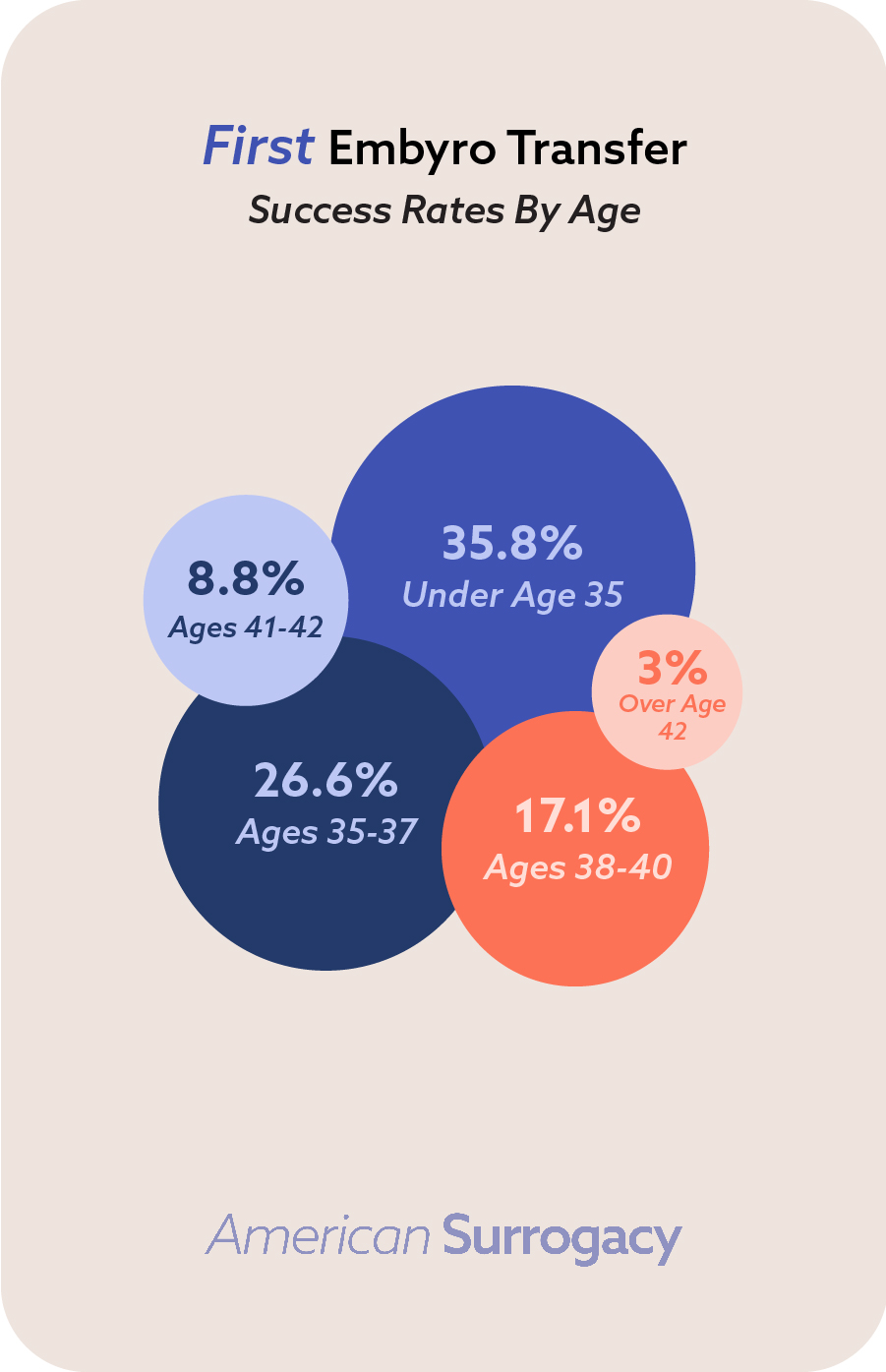
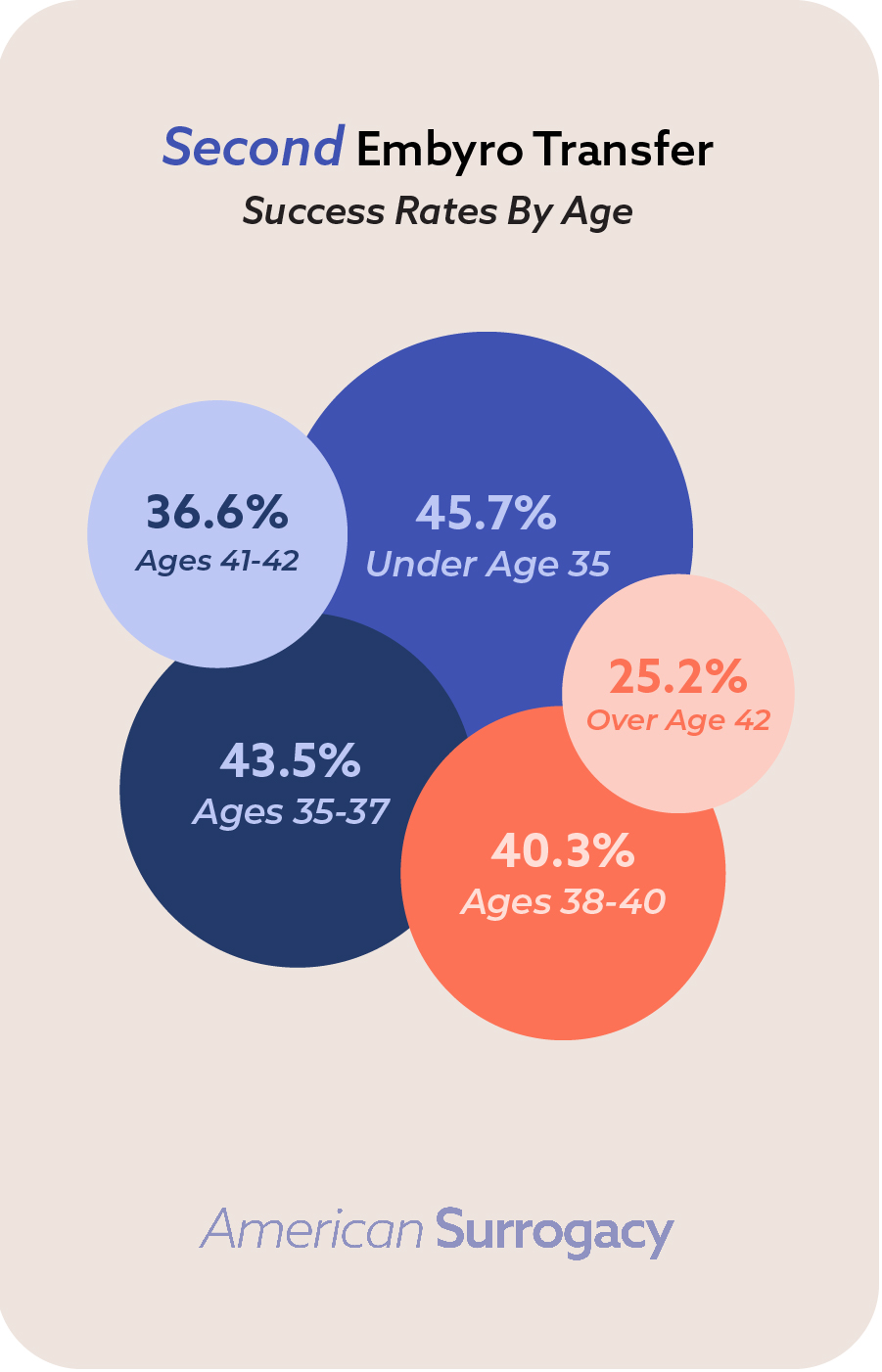
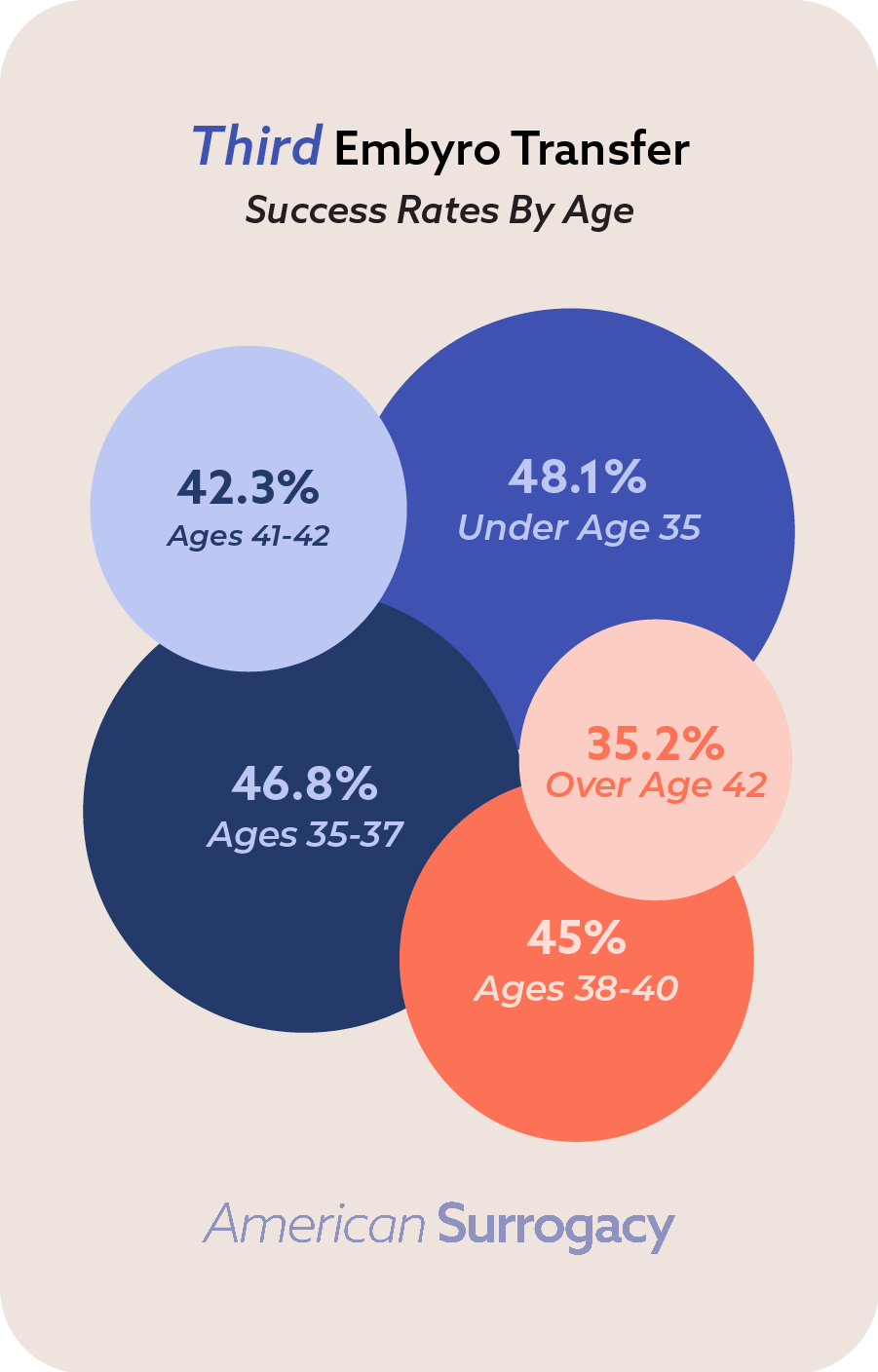
ASRM research confirms that PGT-A improves per-transfer success rates and shortens the overall timeline to pregnancy.
Genetic testing allows fertility specialists to prioritize viable embryos efficiently, reducing unattached implantation attempts and unnecessary transfer cycles.
What If IVF Still Doesn't Work After PGT?
Experiencing an unsuccessful transfer with a genetically tested embryo provides clear data for your path forward. When transfers of euploid embryos do not lead to pregnancy, reproductive endocrinologists shift focus from embryo quality to uterine health and implantation factors.

Working with a pre-screened gestational surrogate offers a practical next step for your remaining embryos.
If you choose to work with a surrogacy agency, comprehensive candidate pre-screening verifies your surrogate's medical readiness before transfer, protecting your schedule and financial investment.
Why Families Choose American Surrogacy After IVF
If you decide to work with a surrogacy agency, finding the right program provides stability, clear guidance and financial security.
Surrogacy agencies offer coordination support, pre-screened candidates and financial protection throughout your journey.
American Surrogacy supports intended parents moving from IVF to gestational surrogacy through structured programs:
- National candidate recruitment connecting intended parents with qualified surrogates within an average 1–6 month match timeline
- Comprehensive pre-screening evaluating surrogate medical history, background checks and psychological readiness before matching
- Financial risk protection through our Limited Risk Program providing rematching without repeating match fees
- Specialist support coordinating legal contracts, coordinating legal surrogacy contracts, escrow management and clinic logistics through delivery
Talk With American Surrogacy About Your Next Step
A consultation with a surrogacy specialist helps you assess your remaining embryos and map out your next steps. Whether you have frozen embryos ready or need guidance on transitioning from IVF to surrogacy, our team is available to discuss your options.
Contact a surrogacy specialist to discuss your family-building goals and learn how our team supports your next steps.