 Current Match Time:

Preimplantation genetic testing for aneuploidy (PGT-A) is generally 95% to 98% accurate. Unfortunatley, a normal PGT-A result doesn't guarantee a successful pregnancy. Embryo quality plays an important part in the fertility journey, but several other factors like uterine enviroment and overall health are also crucial.
Understanding how to interpret your lab results is your next step; we'll help you with that here. If repeated transfers don't lead to pregnancy, exploring gestational surrogacy may provide a path forward. Speak with a surrogacy specialist to discover your options.
How Accurate Is PGT-A?
Analyzing trophectoderm cell samples with preimplantation genetic testing for aneuploidy (PGT-A) delivers a 95% to 98% diagnostic accuracy rate when detecting numerical chromosome errors. Fertility clinics use Next-Generation Sequencing (NGS) to analyze DNA fragments from biopsied cells. Embryologists pair this genetic data with standard visual embryo grading to evaluate overall embryo quality before transfer.
The biopsy procedure requires remarkable technical skill. Embryologists carefully remove 3 to 10 cells exclusively from the outer trophectoderm, leaving the inner cell mass that develops into your baby completely untouched. Sampling outer cells protects embryonic development while giving your care team reliable chromosomal information.
Can PGT-A Produce False Positives?
False positive results designate a healthy embryo as abnormal, occurring in 2% to 5% of screened cases. Trophectoderm cells form placental tissue, meaning outer genetic variations don't always mirror the inner cell mass.
Embryos can also self-correct early chromosomal errors during division. Consulting a certified genetic counselor clarifies whether re-testing makes sense before discarding a disputed embryo.
Can PGT-A Miss Chromosomal Problems?
False negative results occur when structural chromosome changes or single-gene mutations fall outside standard PGT-A parameters. Standard PGT-A screens exclusively for whole chromosome gains or losses. Microdeletions, translocations and single-gene conditions remain undetected during routine screening.
Targeted genetic panels provide deeper answers when specific risks exist. PGT-M detects single-gene conditions, while PGT-SR screens structural rearrangements. Combining targeted screening with routine ultrasounds ensures continuous monitoring throughout pregnancy.
How Does Mosaicism Affect Accuracy?
Diagnostic mosaicism occurs when a biopsy sample contains a mix of normal and abnormal cells, which happens in about 10% to 15% of blastocyst biopsies. Genetic labs classify embryos as mosaic when abnormal cells make up 20% to 80% of sampled tissue.
Clinical research shows low-level mosaic embryos frequently develop into healthy babies as normal cells outgrow abnormal ones. A genetic counselor can explain specific chromosome risks so you can evaluate transfer options.
Does PGT-A Increase IVF Success Rates?
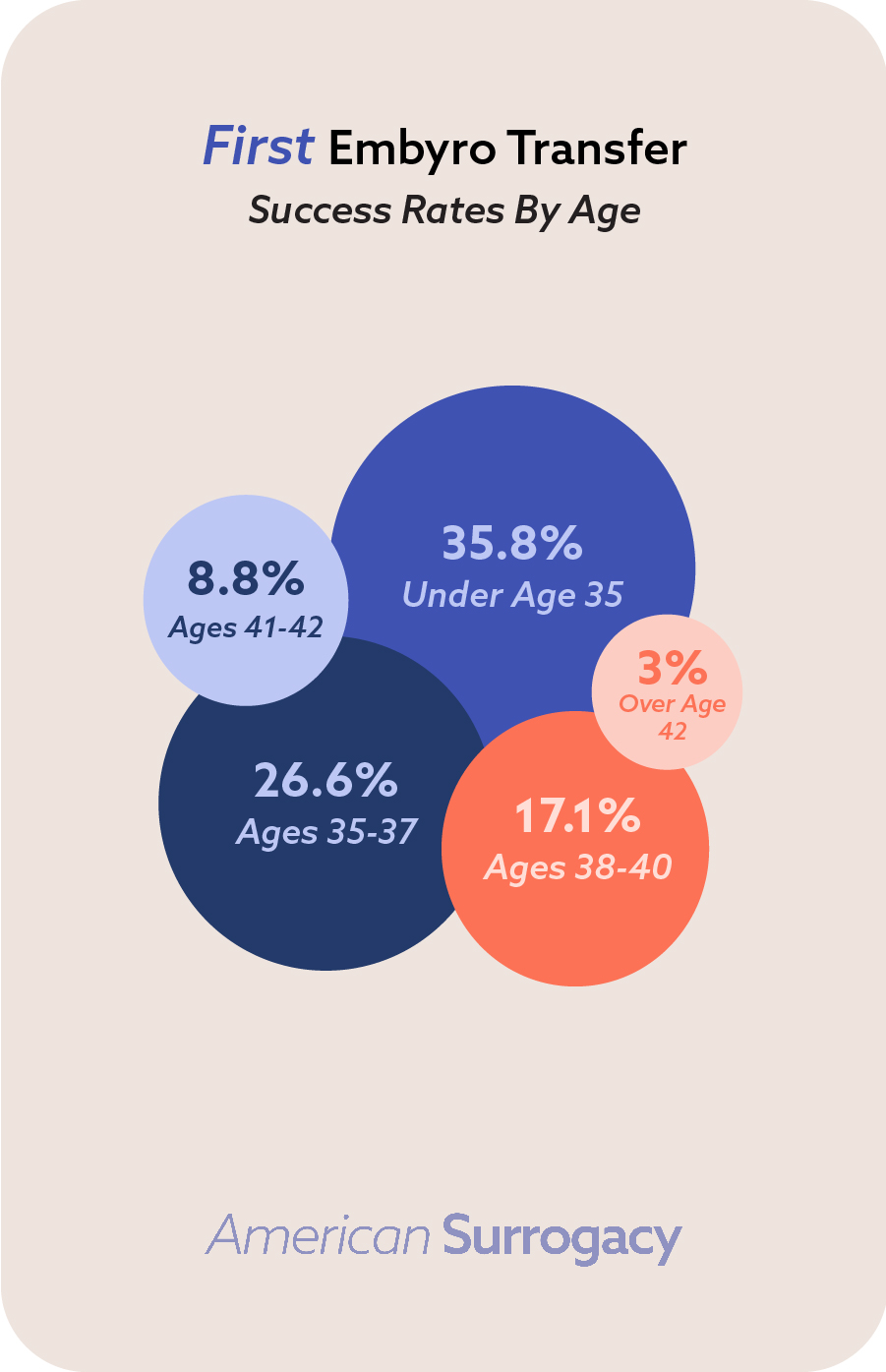
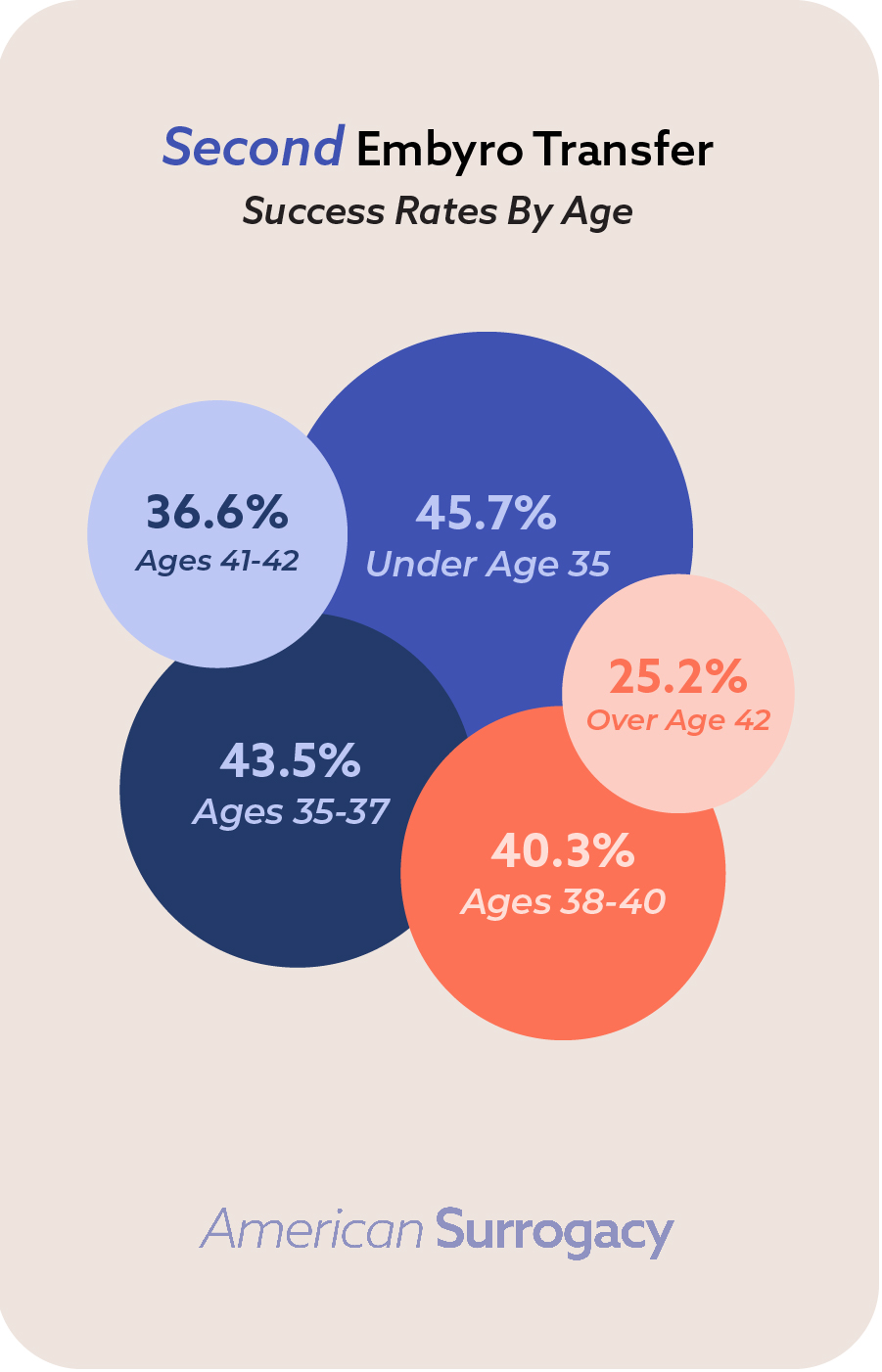
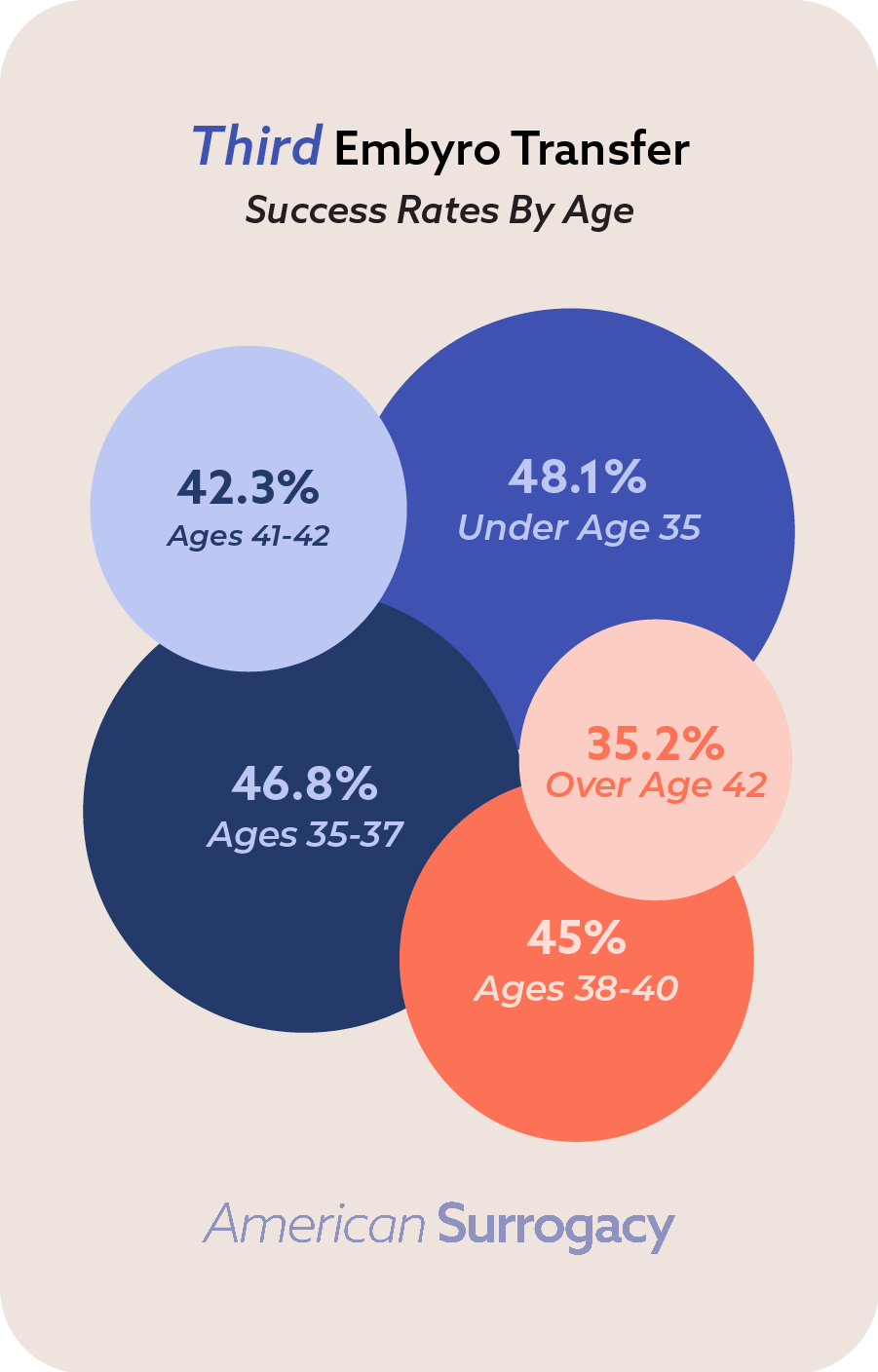
Testing embryos with PGT-A increases live birth rates per transfer by ensuring specialists select chromosomally normal euploid embryos for implantation. Identifying euploid embryos helps raise live birth rates per transfer while reducing first-trimester miscarriage risks.
PGT-A evaluates existing chromosomal health rather than improving embryo quality. The screening won't fix abnormal chromosomes or create additional healthy embryos. For intended parents over 35, selecting euploid embryos significantly reduces overall transfer failures and saves valuable time. You can explore complete medical screening details in our embryo genetic testing guide.
Why Can a Genetically Normal Embryo Still Fail?
A genetically normal embryo can fail to implant when uterine or systemic factors interfere with attachment, even with 46 intact chromosomes. Implantation depends on precise synchronization between embryo development and uterine readiness.
When a euploid transfer doesn't result in pregnancy, reproductive endocrinologists evaluate three primary non-genetic factors:
- Evaluating Endometrial Receptivity: Transferring outside your optimal implantation window prevents attachment regardless of embryo genetics.
- Clearing Structural Factors: Uterine fibroids, polyps or scar tissue create physical barriers to successful implantation.
- Balancing Hormonal Support: Low progesterone levels or thyroid imbalances disrupt uterine lining development during transfer.
Identifying these non-genetic obstacles provides valuable medical insight. Diagnostic testing like endometrial receptivity analysis (ERA), hysteroscopy or protocol adjustments helps determine whether another transfer or gestational surrogacy offers your best path forward.

Should You Skip PGT-A?
Deciding whether to skip PGT-A comes down to your age, total embryo yield, medical history and family goals. Intended parents under age 35 with strong ovarian reserve and no history of recurrent loss often achieve successful pregnancies without genetic testing.
When facing advanced maternal age or unexplained transfer failures, PGT-A prevents the emotional strain and financial expense of transferring non-viable embryos.
Balancing lab testing fees against transfer costs helps clarify embryo genetic testing costs. Discussing embryo quantity and personal priorities with your fertility specialist helps determine if PGT-A aligns with your family-building goals.
What If Your Embryos Are Healthy but Pregnancy Still Isn't Happening?
Repeated transfer failures with healthy, euploid embryos strongly suggest that uterine factors are preventing pregnancy. Gestational surrogacy offers a proven, highly successful solution by allowing your remaining genetically tested embryos to transfer to a healthy, pre-screened surrogate whose uterine environment is optimal for implantation.
Choosing surrogacy separates your embryo's health from uterine challenges. Your surrogacy agency coordinates clinic record transfers, surrogate medical clearances and legal contracts so you can focus on welcoming your child.
How American Surrogacy Helps Intended Parents Continue Their Family-Building Journey
American Surrogacy provides comprehensive support, legal protections and expert guidance so intended parents can transfer their protect your remaining embryos with confidence:
- Streamlining Candidate Matching: Connecting intended parents with fully screened surrogates yields an average 1–6 month match time.
- Conducting Comprehensive Pre-Screening: Reviewing medical records, background checks and psychological evaluations before matching prevents unexpected delays.
- Securing Financial Protection: Offering unlimited rematching through our Limited Risk Program protects your financial investment if a match or transfer doesn't move forward.
Our full-service model combines national matching reach with dedicated specialist support at every step of your journey.
Talk to American Surrogacy About Your Next Step
You can take your next step toward parenthood today by connecting with an American Surrogacy specialist to discuss your family-building options. We provide practical, compassionate guidance tailored to your history, embryo inventory and timeline.
Call 1-800-367-2362 or request your free consultation online today. We're here to protect your journey to parenthood.