 Current Match Time:

Reviewing lab reports filled with numbers and letters often feels overwhelming during IVF treatment. Embryo grading is a visual evaluation of an embryo's growth rate and physical structure under a microscope.
A visual score shows how an embryo looks, but it doesn't reveal genetic health or guarantee pregnancy success. Understanding what visual scores can and cannot predict gives you confidence when planning next steps.
Ready to turn your embryo investment into a clear plan for parenthood? Exploring your options with pre-screened surrogates gives your remaining embryos their strongest path forward.
Get free information about making your family-building plans a reality by reaching out to us today.
What Is Embryo Grading?
Embryo grading is a non-invasive visual evaluation of an embryo's cellular structure, symmetry and expansion rate. Embryologists perform this check under a microscope before frozen embryo transfer or storage.
Understanding embryo grading prepares you for conversations with your clinical care team.
This score measures outward appearance rather than genetic health or future childhood development. Fertility clinics use visual scores to prioritize which embryos to transfer first.
Visual scores help set expectations, but they can't predict pregnancy outcomes with certainty.
The Two Types of Embryo Grading Systems
Clinics evaluate embryos at two main stages: Day 3 (cleavage stage) and Day 5 or 6 (blastocyst stage). Detailed embryo grading charts can help you understand development milestones across both stages.
Day 5 blastocyst grading is the clinical standard because embryos reach hundreds of cells at this stage.
This growth provides embryologists with clearer indicators of transfer success potential. Some clinics still evaluate Day 3 embryos if fewer embryos develop in the lab.
Learning these patterns gives you clarity during your IVF cycle.
Day 3 Embryo Grading
Day 3 grading evaluates cleavage-stage embryos based on cell count, symmetry and fragmentation. An ideal Day 3 embryo contains six to eight even cells with minimal cellular fragments.

Understanding day-by-day embryo grading helps you compare early development benchmarks.
Clinicians use simple numeric scales to grade these early development patterns. Your doctor may transfer or freeze Day 3 embryos if development slows before Day 5.
Reviewing these early scores helps you understand your lab report options.
Day 5 Blastocyst Grading
Day 5 grading uses the Gardner system to evaluate blastocysts with a specific number-and-letter combination. Dr. David Gardner developed this model to measure expansion, inner cell quality and outer cell quality.
Our guide to day-by-day embryo grading breaks down how blastocysts form over time.
A score like 5AA or 3BB tells your clinic how developed the embryo is right now. Higher letters reflect dense cell clusters and strong structural organization inside the blastocyst.

Tracking these scores gives you a clearer view of lab progress.
What Do Embryo Grades Actually Mean?
a Day 5 grade requires breaking down one number and two letters into three distinct measurements. Our guide to reading embryo grading charts offers quick visual examples for each score.
- Expansion Stage (Number 1–6): Measures growth and hatching progress, where scores 3 to 5 show optimal development.
- Inner Cell Mass (First Letter A–C): Evaluates the cell cluster forming the fetus, where 'A' shows tightly packed cells.
- Trophectoderm (Second Letter A–C): Evaluates the outer cell layer forming the placenta, where 'A' shows cohesive structure.
Understanding these components helps you interpret your clinic's written lab summary.
Does Embryo Grading Predict Pregnancy Success?
Embryo grading reflects statistical probabilities of implantation rather than fixed outcome guarantees.
Reviewing clinical data on embryo transfer success rates shows how visual scores align with pregnancy outcomes. Top-quality blastocysts like 5AA or 4AB show higher statistical implantation rates.
But parental age, embryo genetics and transfer technique impact outcomes just as much as grades.
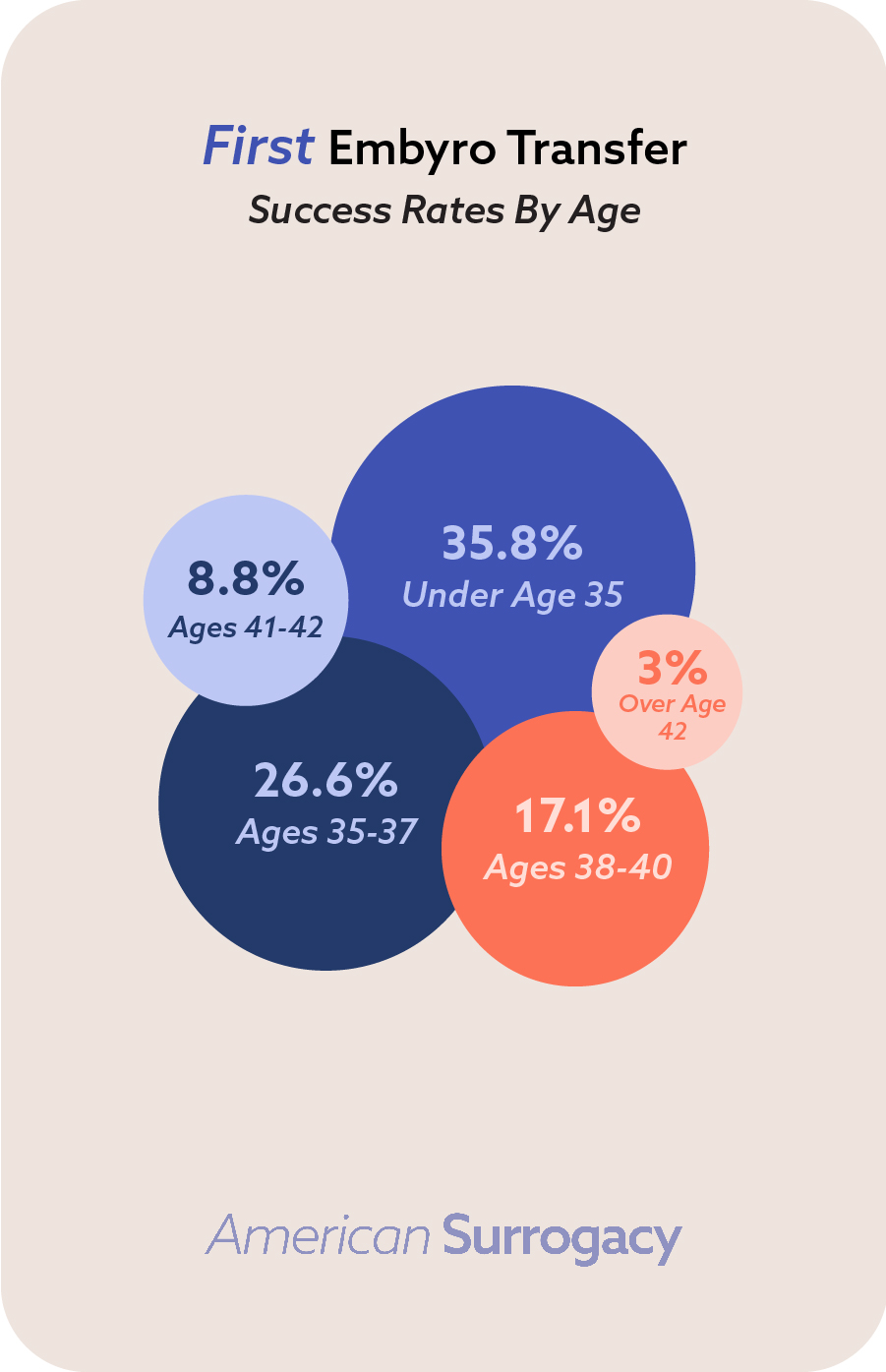
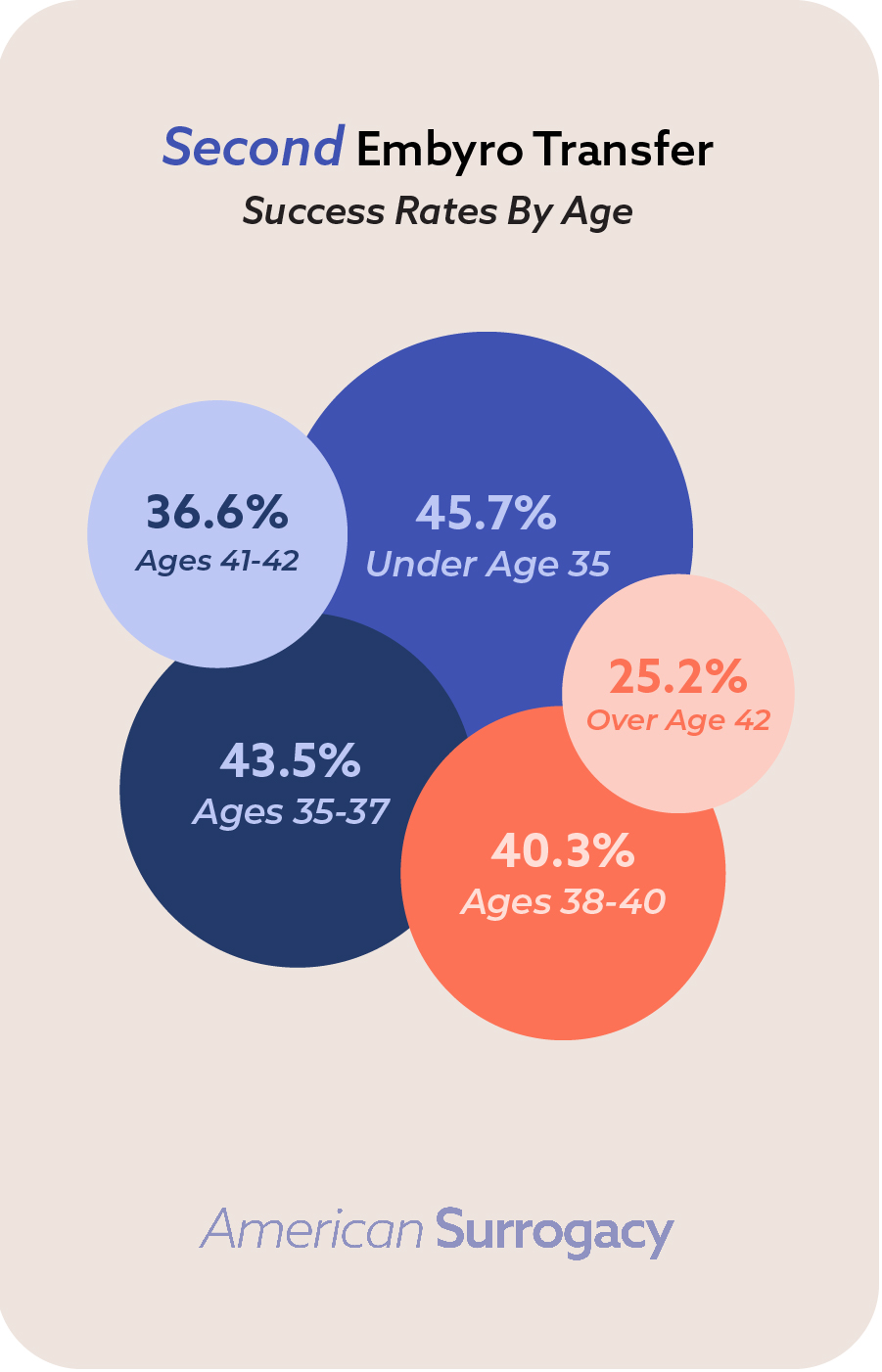
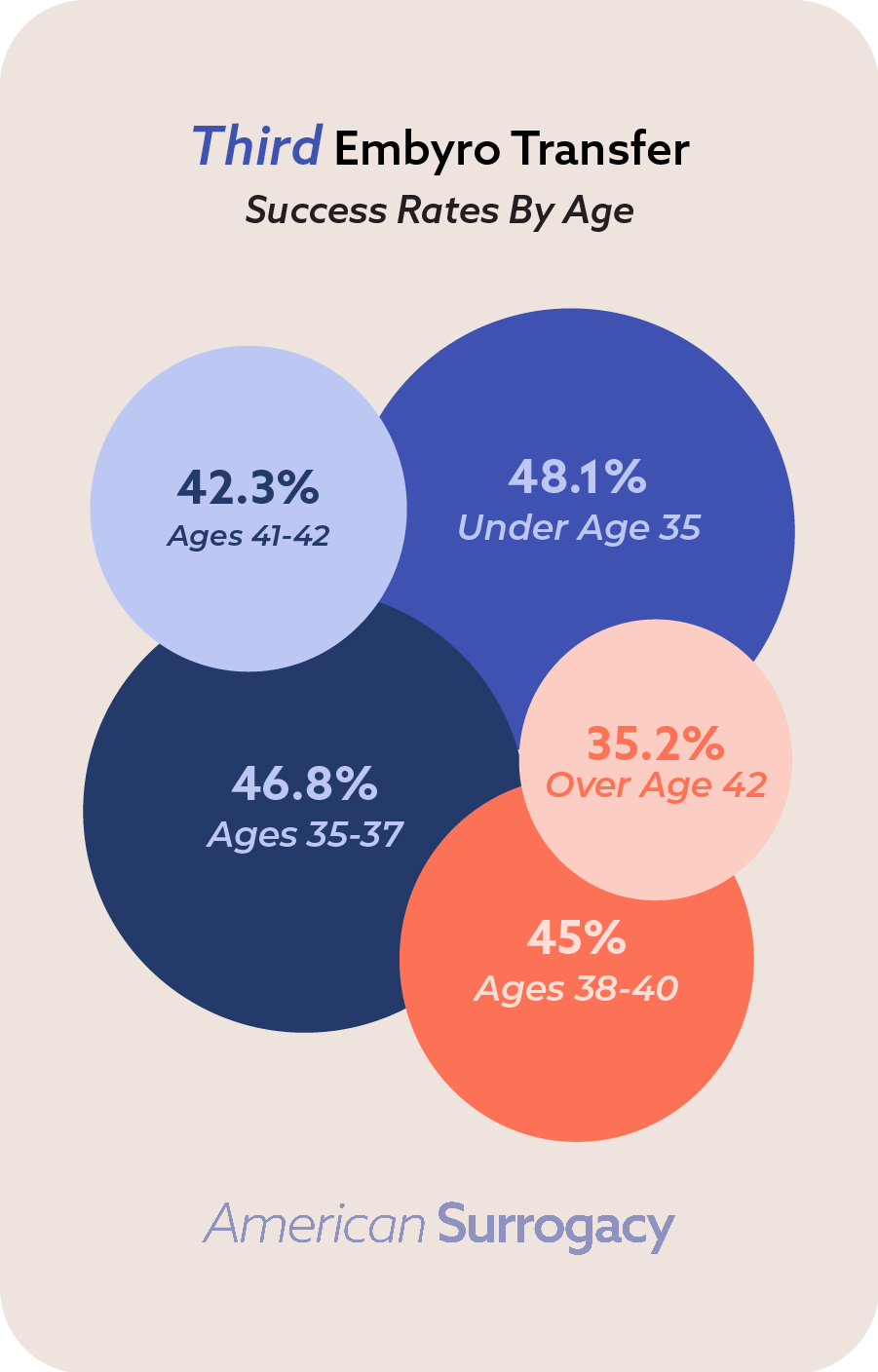
Evaluating frozen embryo transfer success rates requires looking at medical factors beyond visual grades.
Embryo Grading vs. PGT Testing
Understanding PGT testing vs embryo grading requires looking at two entirely different laboratory tools. Visual grading evaluates physical structure under a microscope, while PGT tests chromosomal health.
Our embryo genetic testing guides shows you how genetic screening works.
A beautiful 5AA embryo can have chromosomal abnormalities that prevent pregnancy. Conversely, a lower-graded 3BB embryo can be chromosomally normal and lead to a healthy baby.
Our breakdown of embryo grading basics explains how clinics use both evaluations together.
Combining genetic data with visual scores gives your medical team complete information for transfer decisions.
Can Poor-Quality Embryos Still Become Healthy Babies?
Lower-graded embryos frequently result in healthy pregnancies and healthy babies.
Clinical research on embryo grading and success confirms that fair-grade embryos remain viable family-building options.
Visual grading offers a quick snapshot under a microscope, not a final verdict on potential. Many fair-graded embryos turn into healthy children because visual scores don't dictate genetic health.
Specialists often recommend transferring fair embryos when higher-graded options aren't available.
What If You Have Good Embryos but IVF Still Isn't Working?
Unsuccessful IVF transfers with high-graded embryos often point to uterine factors rather than embryo quality issues. Reading about high quality embryo transfer success helps explain why implantation fails despite top grades.
Conditions like scarring, fibroids or recurrent implantation failure can prevent healthy embryos from implanting.
Experiencing repeated failures with top-quality embryos causes deep emotional and financial stress. Gestational surrogacy lets you move forward using your viable embryos while bypassing uterine challenges.
Creating multiple viable embryos gives you options if early transfers don't succeed.
When Surrogacy May Be the Next Step After Failed IVF
Moving to surrogacy gives your remaining embryos a proven path to success after repeated IVF setbacks.
Freezing healthy embryos you have leftover from IVF before matching allows your medical team to move quickly once matched.
Understanding your options when IVF isn't working helps you evaluate next steps but only you can decide what’s best for your circumstances.
If surrogacy is right for you, we’ve got decades of experience helping families grow.
As a full-service national surrogacy agency, we match intended parents with pre-screened surrogates in 1–6 months on average. Our Limited Risk Program protects your financial investment by providing unlimited rematching if unexpected disruptions occur.
Choosing an agency helps you protect your journey to parenthood with comprehensive case management.
Our team coordinates every medical, legal and financial step so you can focus on building your family.
Take the Next Step Toward Building Your Family
You don't have to make embryo decisions or plan your next steps alone. American Surrogacy provides full-service coordination across the medical, legal and financial aspects of surrogacy.
We guide you through every milestone, from matching with pre-screened surrogates to welcoming your baby.
Ready to move past IVF uncertainty with complete financial protection? Call 1-800-367-2362 or reach out online to speak with a surrogacy specialist today.